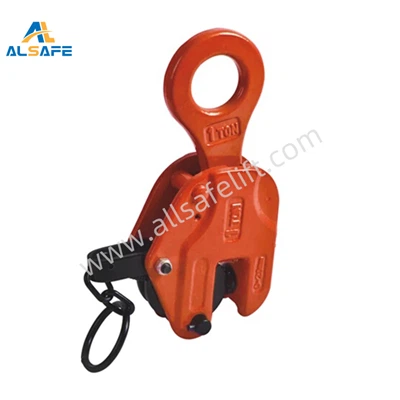
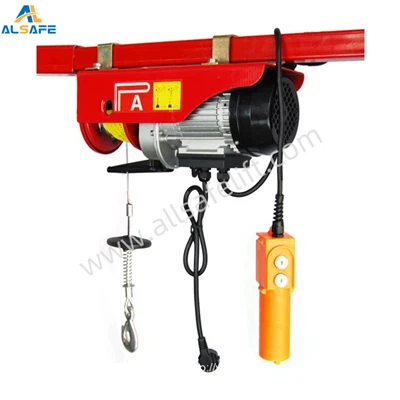
Proper storage of G80 lifting hooks is crucial for maintaining their quality, safety, and longevity. As a supplier of G80 lifting hooks, I understand the significance of providing guidance on how to store these essential tools correctly. In this blog post, I will share some valuable insights and best practices on storing G80 lifting hooks to ensure they remain in optimal condition for your lifting operations.
Understanding G80 Lifting Hooks
Before delving into the storage guidelines, let's briefly understand what G80 lifting hooks are. G80 lifting hooks are made from high-strength alloy steel and are designed to meet rigorous safety standards. They are commonly used in various industries, including construction, manufacturing, and transportation, for lifting and securing heavy loads. These hooks are known for their excellent strength-to-weight ratio, durability, and resistance to wear and tear.
Importance of Proper Storage
Proper storage of G80 lifting hooks is essential for several reasons. Firstly, it helps prevent damage to the hooks, such as corrosion, deformation, or cracking, which can compromise their strength and safety. Secondly, it ensures that the hooks are readily available when needed, reducing downtime and improving productivity. Finally, proper storage helps maintain the value of the hooks, as well as compliance with safety regulations and industry standards.
Factors to Consider Before Storage
Before storing G80 lifting hooks, there are several factors to consider. These include the type of hook, the environment in which it will be stored, and the duration of storage.
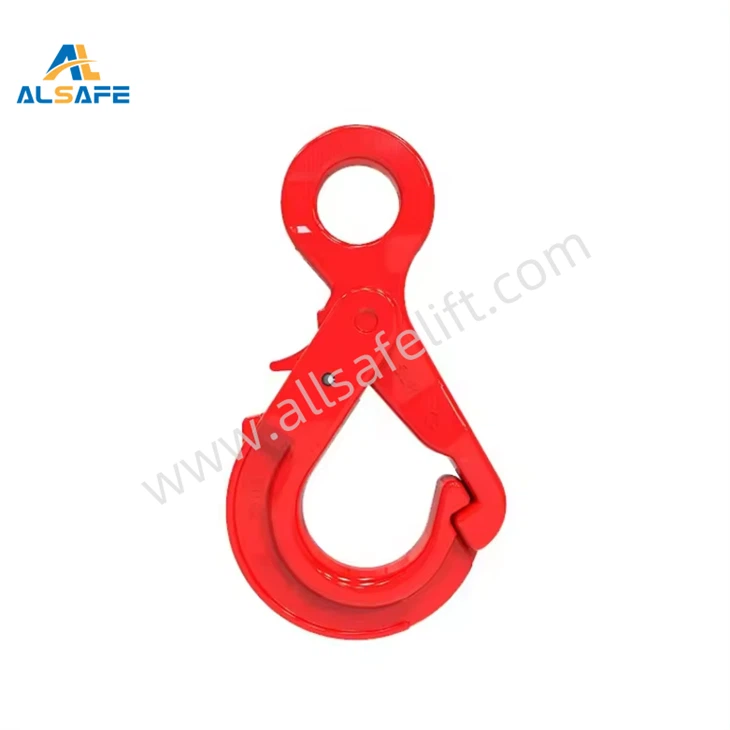
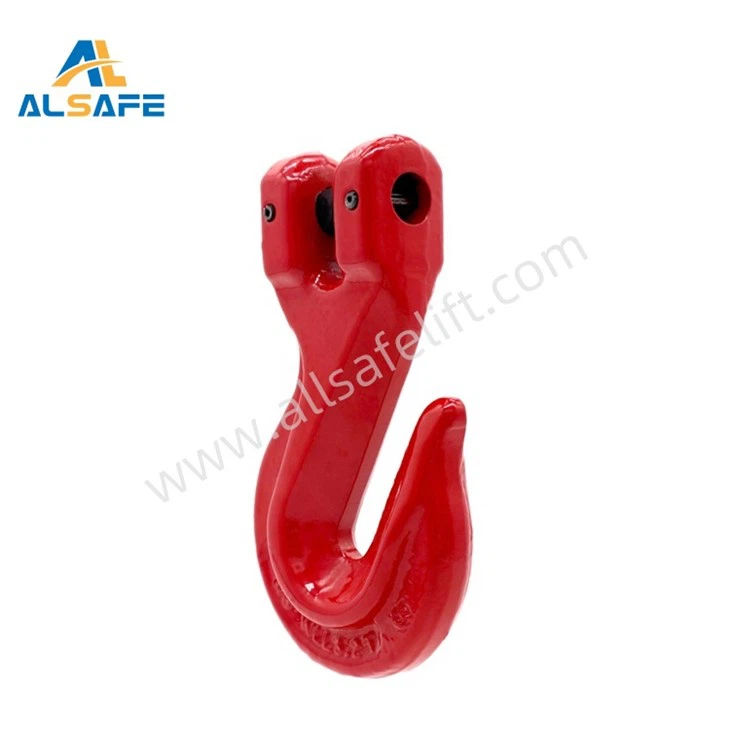
- Type of Hook: Different types of G80 lifting hooks have different storage requirements. For example, Clevis Grab Hook may require additional protection to prevent the jaws from getting damaged, while Eye Self-locking Hook may need to be stored in a way that prevents the locking mechanism from malfunctioning.
- Environment: The storage environment plays a crucial role in determining the longevity of G80 lifting hooks. Hooks should be stored in a dry, clean, and well-ventilated area to prevent corrosion and rust. Avoid storing hooks in areas prone to moisture, such as basements or near water sources.
- Duration of Storage: If the hooks are going to be stored for an extended period, additional precautions may be necessary. For long-term storage, consider applying a protective coating to the hooks to prevent corrosion and wrapping them in a protective material to prevent damage.
Step-by-Step Guide to Storing G80 Lifting Hooks
Now that we have considered the factors involved, let's look at a step-by-step guide to storing G80 lifting hooks properly.
- Clean the Hooks: Before storing the hooks, clean them thoroughly to remove any dirt, debris, or contaminants. Use a mild detergent and water to clean the hooks, and dry them completely to prevent corrosion.
- Inspect the Hooks: Conduct a visual inspection of the hooks to check for any signs of damage, such as cracks, deformation, or wear. If any damage is found, the hooks should be repaired or replaced before storage.
- Apply a Protective Coating: To prevent corrosion, apply a thin layer of protective coating to the hooks. There are various types of protective coatings available, such as rust inhibitors, paint, or oil. Choose a coating that is suitable for the type of hook and the storage environment.
- Organize the Hooks: Store the hooks in an organized manner to make them easily accessible. You can use a hook rack, a storage bin, or a toolbox to store the hooks. Label the storage containers to indicate the type and size of the hooks.
- Store the Hooks in a Dry Place: As mentioned earlier, hooks should be stored in a dry, clean, and well-ventilated area. If possible, store the hooks in a climate-controlled environment to prevent temperature and humidity fluctuations.
- Protect the Hooks from Physical Damage: To prevent physical damage to the hooks, avoid stacking them on top of each other or placing heavy objects on them. If the hooks are going to be stored for a long time, consider wrapping them in a protective material, such as bubble wrap or foam, to prevent scratches and dents.
- Regularly Inspect the Hooks: Even when stored properly, hooks should be regularly inspected to ensure they remain in good condition. Check for any signs of corrosion, damage, or wear, and take appropriate action if necessary.
Specific Storage Considerations for Different Types of G80 Lifting Hooks
As mentioned earlier, different types of G80 lifting hooks have different storage requirements. Here are some specific storage considerations for some common types of G80 lifting hooks:
- Clevis Grab Hook: When storing Clevis Grab Hook, ensure that the jaws are protected to prevent damage. You can use a jaw protector or a piece of rubber to cover the jaws.
- Eye Self-locking Hook: For Eye Self-locking Hook, store the hooks in a way that prevents the locking mechanism from malfunctioning. Avoid storing the hooks in a position where the locking mechanism is under pressure.
- Eye Shortening Grab Hook: When storing Eye Shortening Grab Hook, make sure that the shortening mechanism is properly lubricated and protected. Check the mechanism regularly to ensure it operates smoothly.
Conclusion
Proper storage of G80 lifting hooks is essential for maintaining their quality, safety, and longevity. By following the guidelines outlined in this blog post, you can ensure that your G80 lifting hooks remain in optimal condition for your lifting operations. Remember to clean the hooks, inspect them for damage, apply a protective coating, organize them, store them in a dry place, protect them from physical damage, and regularly inspect them.
If you are in the market for high-quality G80 lifting hooks or need further advice on their storage and use, feel free to contact us. We are a leading supplier of G80 lifting hooks and are committed to providing our customers with the best products and services. Let's discuss your requirements and find the perfect solution for your lifting needs.
References
- American Society of Mechanical Engineers (ASME). (2018). B30.16 - Below-the-Hook Lifting Devices.
- Occupational Safety and Health Administration (OSHA). (2019). 29 CFR 1910.184 - Slings.
- International Organization for Standardization (ISO). (2019). ISO 7599:2019 - Lifting appliances - Hooks.