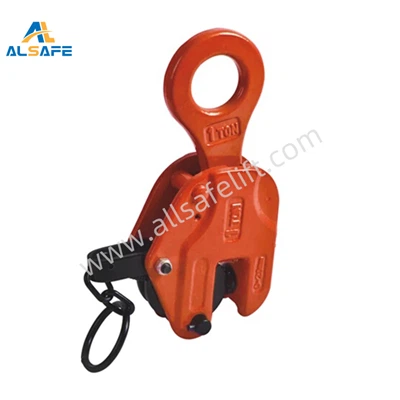
When it comes to lifting and securing heavy loads in industrial settings, beam clamps play a crucial role. As a beam clamp supplier, I understand the importance of accurately calculating the required load capacity of a beam clamp. This ensures not only the safety of the lifting operation but also the longevity of the equipment. In this blog post, I will guide you through the process of calculating the required load capacity of a beam clamp, providing you with the knowledge and confidence to make informed decisions for your lifting needs.
Understanding the Basics of Beam Clamps
Before delving into the calculation process, it's essential to have a clear understanding of what beam clamps are and how they function. Beam clamps are mechanical devices used to attach lifting equipment, such as hoists or slings, to beams or other structural members. They come in various types, including Vertical Lifting Clamp and Horizontal Plate Lifting Clamp, each designed for specific applications and load requirements.
The primary function of a beam clamp is to provide a secure connection between the lifting equipment and the beam, allowing for the safe and efficient transfer of loads. However, to ensure the safety of the lifting operation, it's crucial to select a beam clamp with a load capacity that is sufficient to handle the weight of the load.
Factors Affecting the Load Capacity of a Beam Clamp
Several factors can affect the load capacity of a beam clamp, including:
- Load Weight: The weight of the load is the most obvious factor affecting the load capacity of a beam clamp. It's essential to accurately determine the weight of the load before selecting a beam clamp to ensure that it can safely handle the weight.
- Beam Type and Size: The type and size of the beam to which the clamp will be attached can also affect its load capacity. Different beam types and sizes have different load-bearing capacities, and it's crucial to select a beam clamp that is compatible with the beam to ensure a secure connection.
- Lifting Angle: The angle at which the load is lifted can also affect the load capacity of a beam clamp. When the load is lifted at an angle, the effective weight of the load increases, and it's crucial to take this into account when calculating the required load capacity of the beam clamp.
- Dynamic Loading: Dynamic loading refers to the additional forces that are applied to the beam clamp during the lifting operation, such as acceleration, deceleration, and vibration. These forces can significantly increase the effective weight of the load and must be taken into account when calculating the required load capacity of the beam clamp.
Calculating the Required Load Capacity of a Beam Clamp
To calculate the required load capacity of a beam clamp, you need to consider the factors mentioned above and follow these steps:
- Determine the Weight of the Load: The first step in calculating the required load capacity of a beam clamp is to accurately determine the weight of the load. This can be done by weighing the load using a scale or by referring to the manufacturer's specifications.
- Consider the Lifting Angle: If the load will be lifted at an angle, you need to calculate the effective weight of the load using the following formula:
- Effective Weight = Load Weight / Cosine (Lifting Angle)
- For example, if the load weight is 1000 kg and the lifting angle is 30 degrees, the effective weight of the load would be:
- Effective Weight = 1000 kg / Cosine (30 degrees) = 1000 kg / 0.866 = 1154.7 kg
- Account for Dynamic Loading: To account for dynamic loading, you need to apply a dynamic load factor to the effective weight of the load. The dynamic load factor depends on the type of lifting operation and can range from 1.1 to 1.5. For most standard lifting operations, a dynamic load factor of 1.2 is typically used.
- Required Load Capacity = Effective Weight x Dynamic Load Factor
- Using the example above, if the dynamic load factor is 1.2, the required load capacity of the beam clamp would be:
- Required Load Capacity = 1154.7 kg x 1.2 = 1385.64 kg
- Select a Beam Clamp with a Sufficient Load Capacity: Once you have calculated the required load capacity of the beam clamp, you need to select a beam clamp with a load capacity that is equal to or greater than the required load capacity. It's important to note that the load capacity of a beam clamp is typically specified by the manufacturer and should not be exceeded.
Importance of Selecting the Right Beam Clamp
Selecting the right beam clamp with a sufficient load capacity is crucial for ensuring the safety of the lifting operation. Using a beam clamp with a load capacity that is too low can result in the clamp failing under the weight of the load, which can lead to serious accidents and injuries. On the other hand, using a beam clamp with a load capacity that is too high can be unnecessary and costly.
As a beam clamp supplier, I offer a wide range of beam clamps with different load capacities and specifications to meet the diverse needs of my customers. Whether you need a Vertical Lifting Clamp, a Horizontal Plate Lifting Clamp, or a Beam Clamp, I can help you select the right product for your application.
Conclusion
Calculating the required load capacity of a beam clamp is an essential step in ensuring the safety and efficiency of the lifting operation. By considering the factors that affect the load capacity of the beam clamp and following the steps outlined in this blog post, you can accurately calculate the required load capacity and select a beam clamp that is suitable for your application.
If you have any questions or need further assistance in selecting the right beam clamp for your needs, please don't hesitate to contact me. As a beam clamp supplier, I have the expertise and experience to help you find the best solution for your lifting requirements. Let's discuss your specific needs and work together to ensure the success of your lifting operations.


References
- Machinery's Handbook, 31st Edition
- American Society of Mechanical Engineers (ASME) B30.20 - Below-the-Hook Lifting Devices