What is the noise level of a chain block during operation?
As a seasoned supplier of chain blocks, I often encounter inquiries from customers regarding various aspects of our products. One question that frequently comes up is about the noise level of a chain block during operation. In this blog post, I'll delve into this topic, exploring the factors that influence noise levels, typical noise ranges, and how our products at [company] address these concerns.
Understanding the Basics of Chain Blocks
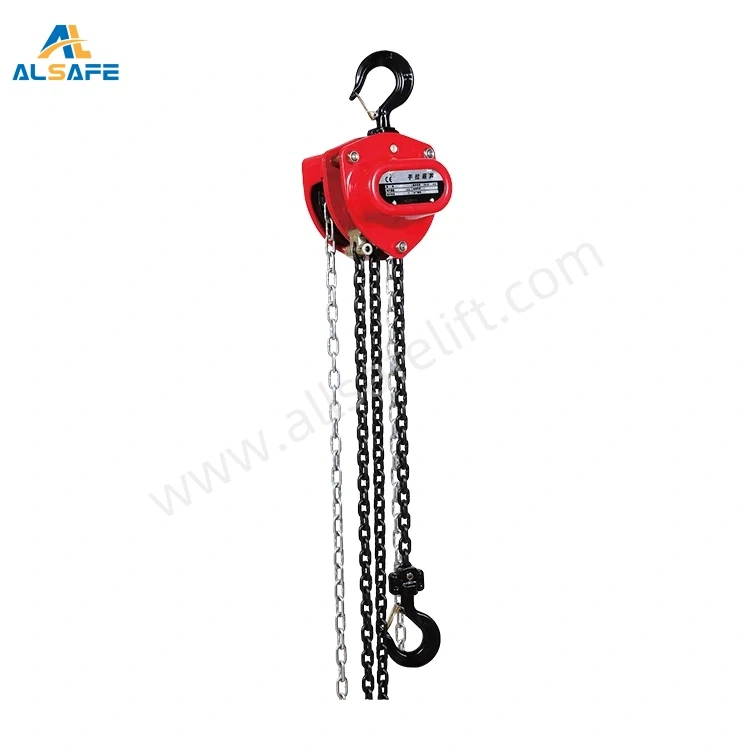
Before we discuss noise levels, let's briefly review what a chain block is. A chain block, also known as a Hand Chain Pulley Block, is a mechanical device used for lifting and lowering heavy loads. It consists of a chain, a set of gears, and a pulley system. When the hand chain is pulled, the gears engage, causing the load chain to move and lift or lower the load. Chain blocks are widely used in industries such as manufacturing, construction, and warehousing due to their simplicity, reliability, and cost - effectiveness.
Factors Influencing Noise Levels
Several factors contribute to the noise generated by a chain block during operation.
-
Mechanical Friction:
The interaction between the gears, the chain links, and the pulley surfaces creates friction. As the chain block operates, this friction results in noise. The quality of the materials used in the gears and the chain can significantly impact the amount of friction. For example, high - grade steel with a smooth finish will produce less friction compared to lower - quality materials. Our Chain Block with Overload Protection is designed with precision - engineered gears made from high - quality steel to minimize friction and reduce noise. -
Chain Movement:
The movement of the chain itself can also generate noise. As the chain links pass over the pulleys and through the sprockets, they create a rattling or clinking sound. The tension of the chain plays a role here. If the chain is too loose, it can flap around and produce more noise. Conversely, if it is too tight, it can put excessive stress on the components, also leading to increased noise. Our technicians ensure that the chains in our chain blocks are properly tensioned during the manufacturing process to optimize noise levels. -
Load Weight:
The weight of the load being lifted or lowered affects the noise level. Heavier loads require more force to move, which can increase the stress on the gears and the chain. This additional stress can lead to louder operation. However, our Hand Chain Hoist is designed to handle a wide range of load capacities efficiently, minimizing the impact of load weight on noise levels.
-
Operating Environment:
The environment in which the chain block is used can also influence the perceived noise level. In a noisy industrial setting, the noise from the chain block may be less noticeable compared to a quiet warehouse or workshop. Additionally, the presence of other machinery or equipment in the vicinity can either mask or amplify the chain block noise.
Typical Noise Ranges
The noise level of a chain block during operation can vary depending on the factors mentioned above. Generally, the noise level of a standard chain block falls within the range of 60 - 80 decibels (dB). For comparison, normal conversation typically occurs at around 60 dB, while a vacuum cleaner operates at about 70 - 80 dB.
Our company is committed to producing chain blocks with noise levels at the lower end of this range. Through continuous research and development, we have implemented design improvements to reduce noise without compromising the performance of our products. For example, we have incorporated noise - dampening materials in the housing of our chain blocks to absorb and reduce the noise generated during operation.
Measuring Noise Levels
To accurately measure the noise level of a chain block, specialized equipment such as a sound level meter is used. The measurement is typically taken at a specific distance from the chain block, usually around 1 meter away, to ensure consistency. The measurements are taken under standard operating conditions, with a specified load weight.
When conducting noise level tests on our chain blocks, we follow strict industry standards and guidelines. This ensures that our customers can rely on the noise level specifications provided by us.
Noise Reduction Strategies
In addition to using high - quality materials and proper tensioning, we employ several other strategies to reduce the noise level of our chain blocks.
-
Lubrication:
Proper lubrication of the gears and the chain is essential for reducing friction and noise. We use high - performance lubricants that are specifically formulated for chain block applications. These lubricants not only reduce noise but also protect the components from wear and corrosion, extending the lifespan of the chain block. -
Design Optimization:
Our engineering team is constantly working on optimizing the design of our chain blocks to reduce noise. This includes improving the shape and profile of the gears and the chain links to minimize the impact and vibration during operation. We also use advanced computer - aided design (CAD) techniques to simulate the operation of the chain block and identify areas where noise can be reduced. -
Enclosure Design:
The housing or enclosure of the chain block plays a crucial role in reducing noise. We have designed our chain block enclosures to be as airtight as possible, using materials that absorb and dampen sound. This helps to contain the noise within the enclosure and prevent it from spreading to the surrounding environment.
Why Noise Level Matters
The noise level of a chain block is not just a matter of convenience; it also has important implications for the workplace environment. Excessive noise can cause hearing damage to workers if they are exposed to it for extended periods. It can also lead to distractions, which can increase the risk of accidents in the workplace.
By providing chain blocks with low noise levels, we are helping our customers create a safer and more comfortable working environment. Our products meet or exceed all relevant noise regulations and standards, ensuring compliance and peace of mind for our customers.
Conclusion
In conclusion, the noise level of a chain block during operation is influenced by several factors, including mechanical friction, chain movement, load weight, and the operating environment. Our company is dedicated to producing chain blocks with low noise levels through the use of high - quality materials, proper design, and advanced noise reduction strategies.
If you are in the market for a chain block and are concerned about noise levels, we invite you to explore our range of products. Our Hand Chain Pulley Block, Chain Block with Overload Protection, and Hand Chain Hoist are designed to meet your needs while providing reliable performance and low noise operation.
We encourage you to contact us to discuss your specific requirements and to learn more about how our chain blocks can benefit your business. Whether you are in manufacturing, construction, or any other industry that requires lifting equipment, we are here to provide you with the best - in - class chain blocks.
References
- Industrial Chain Block Standards and Guidelines, [Publisher Name], [Year]
- Sound Engineering Handbook, [Author Name], [Publisher Name], [Year]
- Research on Noise Reduction in Lifting Equipment, [Research Institution Name], [Year]