Hey there! As a chain block supplier, I often get asked about the maximum speed of a chain block. It's a great question, and one that I'm more than happy to dive into.
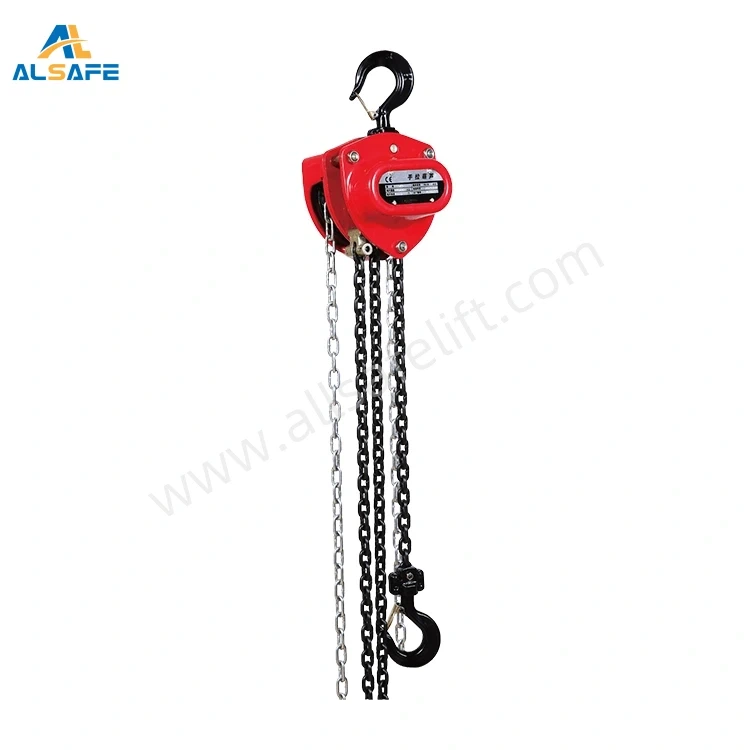
First off, let's understand what a chain block is. A chain block, also known as a Manual Chain Block or Hand Chain Hoist, is a mechanical device used for lifting and lowering heavy loads. It's a popular choice in many industries, from construction to manufacturing, because it's relatively simple to use and can handle some pretty hefty weights.
Now, when it comes to the maximum speed of a chain block, there isn't a one - size - fits - all answer. The speed of a chain block depends on several factors.
Factors Affecting the Maximum Speed
1. Design and Construction
The internal mechanism of a chain block plays a huge role in determining its speed. Chain blocks come with different gear ratios. A chain block with a higher gear ratio will generally lift the load more slowly but can handle heavier weights. On the other hand, a lower gear ratio chain block can lift the load faster but has a lower weight - lifting capacity.
For example, a simple chain block with a basic gear system might have a slower maximum speed because its gears are designed more for durability and strength rather than speed. In contrast, some high - end chain blocks with advanced gear designs and precision - engineered components can achieve relatively higher speeds.
2. Load Weight
This is a no - brainer. The heavier the load, the slower the chain block will operate. When you're trying to lift a massive load, the chain block has to work harder. The internal gears and mechanisms have to transfer more force to move the load, which naturally slows down the lifting process.
Let's say you have a small chain block rated for a 1 - ton load. If you're lifting a 500 - kg load, it might move at a decent speed. But if you try to lift a 1 - ton load, the speed will be significantly reduced. And if you attempt to lift a load that exceeds the rated capacity (which you should never do), the chain block might not even be able to move the load at all, or it could cause serious damage to the equipment.
3. Operator Skill
Believe it or not, the person operating the chain block can also affect its speed. An experienced operator who knows how to use the chain block efficiently can make the lifting process quicker. They know how to pull the chain smoothly and at the right rhythm, which helps the chain block operate at its optimal speed.
A novice operator, on the other hand, might pull the chain unevenly, which can cause the chain block to jerk and slow down the lifting process. They might also take longer to set up the chain block correctly, which adds to the overall time taken to lift the load.
4. Maintenance
Well - maintained chain blocks tend to operate at their maximum speed. Regular maintenance, such as lubricating the gears, checking the chain for wear and tear, and ensuring all the components are in good working condition, can keep the chain block running smoothly.
If a chain block is poorly maintained, the gears might be dirty or worn out, the chain might be stiff, and these issues can all slow down the operation of the chain block. For instance, if the gears are not lubricated properly, there will be more friction, which means the chain block has to work harder to move the load, resulting in a slower speed.
Typical Maximum Speeds
In general, the maximum speed of a chain block can range from a few centimeters per second to around 10 - 15 meters per minute. For small - capacity chain blocks used for light - duty tasks, like lifting small machinery or tools in a workshop, the maximum speed can be relatively higher, maybe around 10 - 15 meters per minute.
However, for large - capacity chain blocks used in heavy - duty industries, such as construction sites where they're lifting large steel beams or concrete blocks, the maximum speed is usually much lower, often in the range of 1 - 5 meters per minute.
It's important to note that these are just rough estimates, and the actual maximum speed can vary depending on the factors we discussed earlier.
Special Chain Blocks and Their Speeds
Some chain blocks come with special features, like Chain Block with Overload Protection. These chain blocks are designed to protect the equipment and the operator in case an overload occurs. The presence of an overload protection mechanism might slightly affect the maximum speed.
The overload protection system usually adds some extra components to the chain block, which can increase the overall weight and complexity of the device. This might result in a slightly slower maximum speed compared to a standard chain block without overload protection. However, the safety benefits far outweigh the minor reduction in speed.
Why Speed Matters
You might be wondering why the maximum speed of a chain block is important. Well, in many industries, time is money. A faster - operating chain block can increase productivity. For example, in a manufacturing plant where they need to move multiple heavy components throughout the day, a chain block with a higher maximum speed can save a significant amount of time.
On the other hand, in some situations, speed isn't the most important factor. In a construction project where precision is key, a slower - moving chain block might be preferred. It allows the operator to have better control over the load, reducing the risk of accidents and ensuring that the load is placed exactly where it needs to be.
Choosing the Right Chain Block Based on Speed
When you're in the market for a chain block, it's crucial to consider the maximum speed along with other factors like load capacity, durability, and price. If you need to lift light loads quickly, you might want to look for a chain block with a lower gear ratio and a higher maximum speed.
However, if you're dealing with heavy loads, you'll need to prioritize strength and stability over speed. A chain block with a higher gear ratio and a lower maximum speed will be more suitable in this case.
As a chain block supplier, I can help you find the perfect chain block for your specific needs. Whether you're looking for a fast - moving chain block for a light - duty job or a heavy - duty chain block that can handle large loads, I've got you covered.
If you're interested in learning more about our chain blocks or want to discuss your requirements, feel free to reach out. We can have a detailed conversation about your project, and I'll help you pick the chain block that offers the right balance of speed, capacity, and safety.

Conclusion
So, to sum it up, the maximum speed of a chain block is influenced by various factors such as design, load weight, operator skill, and maintenance. There's no fixed maximum speed, and it can vary widely depending on the type of chain block and its intended use.
Whether you need a chain block for a small - scale workshop or a large - scale construction project, understanding the maximum speed and how it relates to your needs is essential. And if you're in the market for a chain block, don't hesitate to get in touch. We're here to help you make the best choice for your lifting requirements.
References
- Engineering textbooks on mechanical lifting equipment
- Manufacturer's specifications for various chain blocks