What is the function of the locking mechanism in a lifting clamp?
As a professional lifting clamp supplier, I've witnessed firsthand the crucial role that the locking mechanism plays in these essential pieces of equipment. Lifting clamps are used across various industries, from construction and manufacturing to shipbuilding and warehousing, to securely lift and move heavy loads. The locking mechanism is not just a component; it's the linchpin that ensures the safety, efficiency, and reliability of the entire lifting process.
Ensuring Load Security
One of the primary functions of the locking mechanism in a lifting clamp is to keep the load securely in place during lifting and transportation. When a lifting clamp is attached to a load, the locking mechanism engages, preventing the load from accidentally slipping or becoming dislodged. This is especially important when dealing with heavy or irregularly shaped loads, which can pose a significant risk if they are not properly secured.
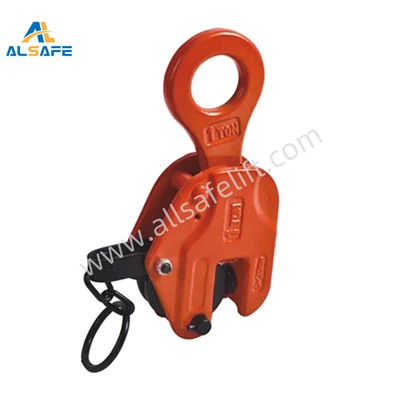
For example, in a construction site, a Vertical Lifting Clamp might be used to lift a large steel beam. The locking mechanism in the clamp ensures that the beam remains firmly held throughout the lift, even if there are vibrations or sudden movements. This not only protects the load from damage but also safeguards the workers and the surrounding environment from potential hazards.
In a manufacturing plant, Horizontal Plate Lifting Clamp are commonly used to handle metal plates. The locking system in these clamps is designed to grip the plates tightly, preventing them from shifting or falling during the lifting operation. This reliability is essential for maintaining a smooth and efficient production process.
Enhancing Operator Safety
The locking mechanism also plays a vital role in protecting the operators who are using the lifting clamps. By securely holding the load, it reduces the chances of a sudden release or instability, which could lead to serious injuries. When operators know that the load is properly locked in place, they can focus on the lifting process without worrying about the safety of the load.
Furthermore, many modern lifting clamps are equipped with safety features in their locking mechanisms. For instance, some clamps have a self - locking design that automatically engages once the correct clamping force is applied. This reduces the reliance on the operator to manually ensure the clamp is properly locked, minimizing the risk of human error.
In a shipbuilding yard, where large and heavy components are frequently lifted, the safety of the operators is of utmost importance. Beam Clamp with reliable locking mechanisms are used to lift and position beams accurately. The locking feature provides a sense of security for the operators, allowing them to work with confidence in a high - risk environment.
Enabling Precise Lifting
Another significant function of the locking mechanism is to enable precise lifting operations. When a load is securely locked in the clamp, it can be lifted and positioned with greater accuracy. This is particularly beneficial in applications where the load needs to be placed in a specific location, such as in the assembly of machinery or the installation of building components.
The locking mechanism helps to maintain the alignment of the load during lifting. For example, in a precision manufacturing process, a lifting clamp with a well - designed locking system can ensure that a delicate part is lifted and placed exactly where it needs to be, minimizing the risk of misalignment or damage.
In addition, the locking mechanism can be adjusted in some lifting clamps to accommodate different types of loads and lifting requirements. This flexibility allows for more precise control over the lifting process, ensuring that the load is lifted smoothly and efficiently.
Maintaining Long - Term Reliability
The locking mechanism is also crucial for the long - term reliability of the lifting clamp. A well - engineered locking system is designed to withstand the repeated stresses and strains of lifting operations. It should be able to maintain its clamping force over time, even after multiple uses.


Regular maintenance and inspection of the locking mechanism are essential to ensure its continued performance. This includes checking for wear and tear, lubricating moving parts, and ensuring that all components are functioning correctly. By taking proper care of the locking mechanism, the lifespan of the lifting clamp can be significantly extended, reducing the need for frequent replacements.
As a lifting clamp supplier, we understand the importance of providing high - quality locking mechanisms. We source materials and components from trusted suppliers and subject our products to rigorous testing to ensure that they meet the highest standards of quality and reliability.
Contact for Procurement
If you are in the market for lifting clamps, whether it's for a large - scale construction project, a manufacturing facility, or any other application, we are here to help. Our team of experts can provide you with detailed information about our products, including the different types of locking mechanisms available and their suitability for your specific needs.
We are committed to providing top - quality lifting clamps at competitive prices, along with excellent customer service. Whether you need a Vertical Lifting Clamp, a Beam Clamp, or a Horizontal Plate Lifting Clamp, we have the right solution for you. Don't hesitate to contact us to discuss your procurement requirements and start a productive business relationship.
References
- Crane and Rigging Handbook, Fifth Edition, by Frank A. DiCello and Tom Muskett
- Lifting Equipment Engineering Design Guide, Engineering Equipment and Materials Users Association (EEMUA)
- Standards and regulations related to lifting equipment safety from relevant industry bodies such as OSHA (Occupational Safety and Health Administration) in the United States.