

Shock loading is a critical factor that can significantly impact the performance and safety of lifting chains. As a trusted lifting chain supplier, I've witnessed firsthand the importance of understanding how shock loading affects these essential pieces of equipment. In this blog post, I'll delve into the effects of shock loading on a lifting chain, exploring the science behind it and offering insights to help you make informed decisions when it comes to selecting and using lifting chains.
Understanding Shock Loading
Shock loading occurs when a sudden and intense force is applied to a lifting chain. This can happen in various scenarios, such as when a load is dropped, a crane stops abruptly, or there is a sudden impact during the lifting process. Unlike static loading, which involves a steady and predictable force, shock loading generates a much higher force over a short period, putting extreme stress on the chain.
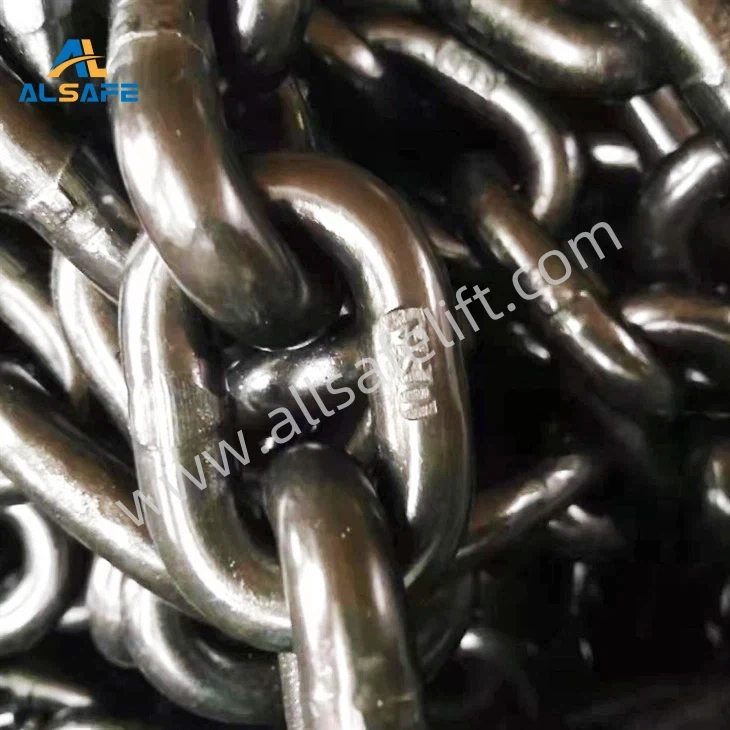

The Impact on Chain Integrity
One of the most immediate effects of shock loading on a lifting chain is the potential damage to its integrity. The sudden force can cause the chain links to stretch, deform, or even break. This is particularly true for chains that are already under stress or have been weakened by wear and tear. For example, a chain that has been used for a long time may have microscopic cracks or fatigue points. When subjected to shock loading, these weaknesses can quickly escalate, leading to catastrophic failure.
In addition to physical damage, shock loading can also affect the material properties of the chain. High - intensity forces can cause changes in the crystal structure of the steel, reducing its strength and ductility. This means that even if the chain doesn't break immediately, its long - term performance and safety are compromised.
Safety Risks
The safety risks associated with shock loading on a lifting chain are significant. A broken or damaged chain can result in the sudden release of the load, which can cause serious injury to workers and damage to property. In industrial settings, where heavy loads are commonly lifted, the consequences of a chain failure due to shock loading can be extremely severe.
For instance, in a construction site, if a lifting chain fails while hoisting a large beam, the beam can fall onto workers below, causing life - threatening injuries. In a manufacturing plant, a dropped load can damage expensive machinery and disrupt production processes.
Factors Affecting the Impact of Shock Loading
Several factors can influence how a lifting chain responds to shock loading. The type of chain material is crucial. High - quality alloys, such as those used in T8 Alloy Steel Lifting Chain, are generally more resistant to shock loading compared to lower - grade steels. T8 alloy steel has excellent strength and toughness properties, which allow it to withstand higher forces without significant deformation or breakage.
The design and construction of the chain also play a role. Chains with proper heat treatment and manufacturing processes are better able to handle shock loading. For example, chains that are forged and tempered correctly have a more uniform internal structure, which helps distribute the shock forces more evenly.
The load characteristics, such as the weight, shape, and center of gravity of the load, can affect the shock loading on the chain. A load with an uneven center of gravity may cause additional stress on the chain during lifting, increasing the risk of shock loading.
Testing and Certification
To ensure the safety and reliability of lifting chains under shock loading conditions, rigorous testing and certification processes are essential. Reputable suppliers, like us, subject our chains to a series of tests, including dynamic load tests that simulate shock loading scenarios. These tests help us determine the maximum shock load that a chain can withstand without failure.
Chains that meet international standards, such as ISO or ASME, are more likely to perform well under shock loading. When purchasing a lifting chain, it's important to look for products that have been certified by recognized testing organizations. This gives you the assurance that the chain has been thoroughly tested and meets the necessary safety requirements.
Maintenance and Inspection
Proper maintenance and regular inspection are key to minimizing the impact of shock loading on a lifting chain. Chains should be inspected regularly for signs of wear, damage, or deformation. Any chains that show signs of excessive wear or damage should be replaced immediately.
Lubrication is also an important aspect of chain maintenance. A well - lubricated chain reduces friction and wear, which can help improve its resistance to shock loading. Our Lifting Chain Without Oil offers a convenient option for applications where oil lubrication is not suitable.
Selecting the Right Chain
When selecting a lifting chain for your application, it's important to consider the potential for shock loading. If your lifting operations involve frequent starts and stops, or if there is a risk of sudden impacts, you should choose a chain that is specifically designed to handle shock loading.
Our T8 Chain is an excellent choice for applications where shock loading is a concern. It offers high strength, good ductility, and excellent resistance to wear and fatigue.
Conclusion
Shock loading can have a profound effect on the performance and safety of lifting chains. As a lifting chain supplier, we understand the importance of providing high - quality products that can withstand the rigors of shock loading. By understanding the science behind shock loading, selecting the right chain, and implementing proper maintenance and inspection procedures, you can ensure the safe and efficient operation of your lifting equipment.
If you're in the market for a reliable lifting chain that can handle shock loading, we'd love to hear from you. Our team of experts can help you choose the right chain for your specific application and provide you with all the information you need to make an informed decision. Contact us today to start a discussion about your lifting chain requirements.
References
- ASME B30.9 - Safety Standard for Slings
- ISO 3077 - Steel wire ropes - Safety
- Machinery's Handbook, 31st Edition
