As a leading supplier of electric hoists, I often encounter customers who are curious about various technical aspects of our products. One frequently asked question is, "What is the duty cycle of an electric hoist?" In this blog post, I'll delve into this topic, explaining what duty cycle means, why it matters, and how it impacts the performance and selection of electric hoists.
Understanding the Duty Cycle
The duty cycle of an electric hoist refers to the ratio of the operating time of the hoist within a specific period to the total time of that period, usually expressed as a percentage. For example, if an electric hoist has a duty cycle of 25% in a 10 - minute period, it means that the hoist can operate continuously for 2.5 minutes within this 10 - minute time frame, and then it needs to rest for 7.5 minutes to prevent overheating.
The duty cycle is a crucial parameter because electric hoists generate heat during operation. The motor, in particular, is prone to overheating due to the electrical current flowing through its windings. If the hoist operates beyond its rated duty cycle, the excessive heat can damage the motor insulation, reduce the lifespan of electrical components, and even lead to a complete breakdown of the hoist.
Factors Affecting the Duty Cycle
Several factors can influence the duty cycle of an electric hoist:
1. Motor Design
The design of the motor plays a significant role. Motors with larger frames and better heat - dissipation capabilities can generally handle higher duty cycles. For example, a hoist equipped with a high - quality, well - ventilated motor can operate for longer periods without overheating compared to a hoist with a smaller, less efficient motor.
2. Load Capacity
The weight of the load being lifted also affects the duty cycle. Lifting heavier loads requires more power from the motor, which in turn generates more heat. As a result, when lifting heavy loads, the hoist's duty cycle may be lower than when lifting lighter loads. For instance, a hoist with a 40% duty cycle when lifting a light load might have a 25% duty cycle when lifting its maximum rated load.
3. Operating Environment
The temperature and ventilation of the operating environment are important factors. In a hot and poorly ventilated area, the hoist will have a harder time dissipating heat, which can reduce its effective duty cycle. Conversely, in a cool and well - ventilated environment, the hoist can operate closer to its rated duty cycle.
Importance of Duty Cycle in Electric Hoist Selection
Selecting an electric hoist with an appropriate duty cycle is essential for ensuring efficient and reliable operation. Here's why:
1. Avoiding Overheating and Damage
Using a hoist with a duty cycle that is too low for the intended application can cause the hoist to overheat frequently. This not only shortens the lifespan of the hoist but also increases the risk of sudden failures, which can lead to costly downtime and potential safety hazards.
2. Meeting Work Requirements
On the other hand, choosing a hoist with a much higher duty cycle than necessary can be a waste of resources. A hoist with a high - duty cycle is usually more expensive and may have a larger physical size. By accurately assessing the duty cycle requirements of your application, you can select a hoist that meets your needs without overspending.
Duty Cycle in Different Types of Electric Hoists
Let's take a look at how duty cycles vary among different types of electric hoists we offer:
1. HHBB Type Electric Chain Hoist
The HHBB Type Electric Chain Hoist is a popular choice for light to medium - duty applications. It typically has a duty cycle ranging from 25% to 40%, depending on the specific model and load capacity. This makes it suitable for intermittent use in workshops, warehouses, and small manufacturing facilities.
2. CD1 MD1 Wire Rope Electric Hoist
The CD1 MD1 Wire Rope Electric Hoist is designed for more heavy - duty applications. It generally has a duty cycle of 40% to 60%. This hoist can handle continuous or semi - continuous operation, making it ideal for use in construction sites, large - scale manufacturing plants, and ports.
3. Electric Wire Rope Hoist
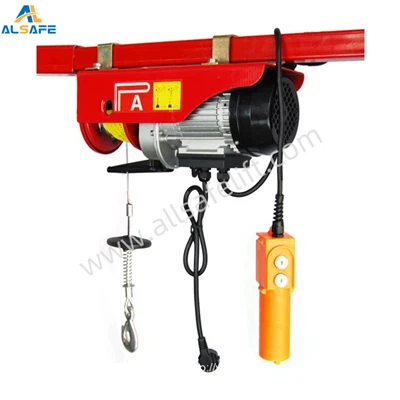
Our Electric Wire Rope Hoist offers a wide range of duty cycles, from 25% for light - duty models to 60% or more for heavy - duty models. These hoists are highly versatile and can be customized to meet the specific requirements of different industries, such as mining, steel mills, and power plants.
Calculating the Required Duty Cycle for Your Application
To determine the appropriate duty cycle for your application, you need to consider the following steps:
1. Analyze the Workload
Estimate the frequency and duration of the hoist's operation. For example, if you need to lift a load 10 times per hour, and each lift takes 1 minute, the total operating time per hour is 10 minutes.
2. Consider the Load Weight
Determine the average weight of the loads you will be lifting. If you have a mix of light and heavy loads, calculate the weighted average load.
3. Evaluate the Operating Environment
Take into account the temperature, humidity, and ventilation of the area where the hoist will be used. If the environment is harsh, you may need to choose a hoist with a higher duty cycle to compensate for the reduced heat - dissipation efficiency.
Conclusion
In conclusion, the duty cycle of an electric hoist is a critical parameter that affects its performance, reliability, and lifespan. As a supplier, we understand the importance of helping our customers select the right hoist with an appropriate duty cycle for their specific applications. Whether you need a light - duty hoist for occasional use or a heavy - duty hoist for continuous operation, we have a wide range of products to meet your needs.
If you are interested in learning more about our electric hoists or need assistance in selecting the right hoist for your project, please feel free to contact us. Our team of experts is ready to provide you with detailed information and support to ensure you make the best choice for your lifting requirements.


References
- Crane Manufacturers Association of America (CMAA). Crane and Hoist Design Standards.
- Hoist Manufacturers Institute (HMI). Hoist Safety and Performance Guidelines.