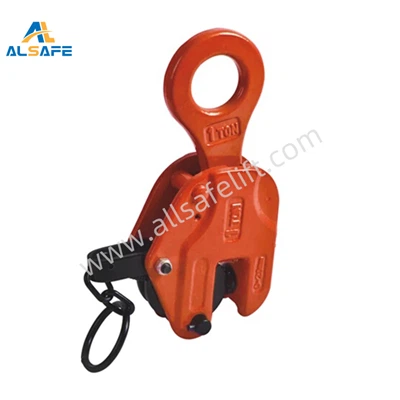
As a supplier of Beam Clamp, I've encountered numerous inquiries about the distinctions between fixed and adjustable beam clamps. These two types of beam clamps serve crucial roles in various industries, especially in lifting and securing heavy loads. Understanding their differences is essential for making informed decisions when it comes to choosing the right equipment for your specific needs.
Fixed Beam Clamps
Fixed beam clamps are designed with a set jaw opening and a specific configuration that remains constant. They are engineered to fit a particular beam size and profile precisely. This precision is their primary advantage. When you have a standardized beam in your workplace, a fixed beam clamp provides a secure and stable connection.

One of the key benefits of fixed beam clamps is their simplicity. They are straightforward to install and use. Since the jaw opening is fixed, there's no need for adjustments, which saves time during setup. This simplicity also translates into reliability. Once installed correctly, a fixed beam clamp maintains a consistent grip on the beam, reducing the risk of slippage or movement during lifting operations.
Fixed beam clamps are commonly used in applications where the beam size and type are consistent. For example, in a manufacturing facility where all the beams are of the same specification, fixed beam clamps can be used to suspend overhead conveyors, lighting fixtures, or other equipment. They are also ideal for permanent installations where the clamp will remain in place for an extended period.
However, the fixed nature of these clamps also presents limitations. If you need to use the clamp on different beam sizes or profiles, you'll need to purchase multiple clamps. This can increase costs and require more storage space. Additionally, fixed beam clamps may not be suitable for applications where the beam size or shape varies frequently.
Adjustable Beam Clamps
Adjustable beam clamps, on the other hand, offer greater flexibility. They are designed with a mechanism that allows the jaw opening to be adjusted to fit different beam sizes and profiles. This makes them a versatile option for applications where the beam dimensions may vary.
The ability to adjust the jaw opening provides several advantages. Firstly, it reduces the need for multiple clamps. With an adjustable beam clamp, you can use a single clamp on a range of beam sizes, which saves money and storage space. Secondly, adjustable beam clamps are more suitable for temporary or mobile applications. For example, in a construction site where different beam sizes are used at various stages of the project, an adjustable beam clamp can be easily adjusted to fit the specific beam requirements.
Another benefit of adjustable beam clamps is their adaptability. They can be used on a variety of beam types, including I-beams, H-beams, and box beams. This makes them a popular choice for industries such as construction, shipbuilding, and transportation, where different beam profiles are commonly used.
However, adjustable beam clamps also have some drawbacks. Their more complex design makes them more expensive than fixed beam clamps. Additionally, the adjustment mechanism requires more maintenance to ensure proper functionality. If not maintained correctly, the adjustment mechanism may malfunction, which can compromise the safety of the lifting operation.

Comparison of Key Features
Let's compare some of the key features of fixed and adjustable beam clamps to better understand their differences:
- Jaw Opening: Fixed beam clamps have a set jaw opening, while adjustable beam clamps can be adjusted to fit different beam sizes.
- Installation: Fixed beam clamps are easier and quicker to install since there's no need for adjustments. Adjustable beam clamps require more time to set up as the jaw opening needs to be adjusted.
- Flexibility: Adjustable beam clamps offer greater flexibility as they can be used on a range of beam sizes and profiles. Fixed beam clamps are limited to a specific beam size.
- Cost: Fixed beam clamps are generally less expensive than adjustable beam clamps. However, if you need to use multiple fixed clamps for different beam sizes, the overall cost may be higher.
- Maintenance: Fixed beam clamps require less maintenance since they have a simpler design. Adjustable beam clamps need regular maintenance to ensure the adjustment mechanism works properly.
Applications
The choice between fixed and adjustable beam clamps depends on the specific application. Here are some common applications for each type:
Fixed Beam Clamps
- Overhead Conveyor Systems: In manufacturing plants, fixed beam clamps are used to suspend overhead conveyor systems. Since the beams in these facilities are usually of a standard size, fixed beam clamps provide a reliable and cost-effective solution.
- Lighting and HVAC Installation: Fixed beam clamps are commonly used to install lighting fixtures and HVAC ducts in commercial buildings. The consistent beam sizes in these buildings make fixed beam clamps a suitable choice.
- Permanent Structures: For permanent structures such as bridges and industrial buildings, fixed beam clamps are used to secure various components to the beams. Their stability and reliability are essential in these applications.
Adjustable Beam Clamps
- Construction Sites: In construction, the beam sizes and profiles can vary depending on the design and requirements of the project. Adjustable beam clamps are ideal for these applications as they can be easily adjusted to fit different beams.
- Shipbuilding: Shipbuilding involves working with different types of beams and profiles. Adjustable beam clamps are used to lift and position these beams during the construction process.
- Warehousing and Logistics: In warehouses, adjustable beam clamps can be used to install shelving units and other storage systems. The ability to adjust the clamp to fit different beam sizes makes it a versatile option for these applications.
Safety Considerations
Regardless of whether you choose a fixed or adjustable beam clamp, safety should always be your top priority. Here are some safety considerations to keep in mind:
- Load Capacity: Ensure that the beam clamp you choose has a sufficient load capacity for the application. Overloading the clamp can lead to failure and pose a serious safety risk.
- Proper Installation: Follow the manufacturer's instructions carefully when installing the beam clamp. Improper installation can cause the clamp to loosen or fail during use.
- Inspection: Regularly inspect the beam clamp for signs of wear, damage, or corrosion. Replace any damaged or worn parts immediately.
- Training: Ensure that all personnel involved in the lifting operation are properly trained on the use of beam clamps. They should understand the safety procedures and limitations of the equipment.
Conclusion
In conclusion, the difference between fixed and adjustable beam clamps lies in their design, flexibility, cost, and applications. Fixed beam clamps are simple, reliable, and cost-effective for applications where the beam size is consistent. Adjustable beam clamps offer greater flexibility and versatility, making them suitable for applications where the beam size or profile varies.
As a Beam Clamp supplier, we understand the importance of choosing the right equipment for your specific needs. We offer a wide range of fixed and adjustable beam clamps, as well as other lifting equipment such as Drum Lifter Hook and Vertical Lifting Clamp. If you have any questions or need assistance in selecting the right beam clamp for your application, please feel free to contact us. We're here to help you make the best decision for your lifting needs.
References
- Engineering Handbook of Lifting Equipment
- Safety Standards for Lifting Clamps
- Manufacturer's Specifications for Beam Clamps