The brake system of an electric hoist is a critical component that ensures the safety and proper operation of the equipment. As a leading supplier of electric hoists, we understand the importance of a reliable brake system and its impact on the overall performance of the hoist. In this blog post, we will delve into the details of the brake system of an electric hoist, exploring its types, functions, and significance.
Types of Brake Systems in Electric Hoists
There are several types of brake systems commonly used in electric hoists, each with its own unique features and advantages. The most common types include electromagnetic brakes, mechanical brakes, and hydraulic brakes.
Electromagnetic Brakes
Electromagnetic brakes are widely used in electric hoists due to their fast response time and high reliability. These brakes work by using an electromagnetic field to engage and disengage the brake pads. When the hoist motor is energized, the electromagnetic coil is also powered, causing the brake pads to disengage and allowing the hoist to operate. When the motor is turned off, the electromagnetic field collapses, and the brake pads are engaged, holding the load in place.
One of the key advantages of electromagnetic brakes is their ability to provide instant braking action, which is crucial for preventing the load from falling in the event of a power failure or other emergency situation. Additionally, electromagnetic brakes are relatively easy to maintain and can be adjusted to suit different operating conditions.
Mechanical Brakes
Mechanical brakes are another type of brake system commonly used in electric hoists. These brakes work by using a mechanical mechanism, such as a spring or a cam, to engage and disengage the brake pads. When the hoist motor is turned off, the mechanical mechanism is activated, causing the brake pads to engage and hold the load in place.
Mechanical brakes are known for their simplicity and reliability. They are also less expensive than electromagnetic brakes and can be a good option for applications where cost is a major consideration. However, mechanical brakes may require more frequent maintenance and adjustment compared to electromagnetic brakes.
Hydraulic Brakes
Hydraulic brakes are less commonly used in electric hoists but can be found in some heavy-duty applications. These brakes work by using hydraulic pressure to engage and disengage the brake pads. When the hoist motor is turned off, the hydraulic system is activated, causing the brake pads to engage and hold the load in place.
Hydraulic brakes offer several advantages, including high braking force and smooth operation. They are also less affected by environmental factors, such as dust and moisture, compared to electromagnetic and mechanical brakes. However, hydraulic brakes are more complex and expensive than other types of brake systems and require specialized maintenance and servicing.


Functions of the Brake System in an Electric Hoist
The brake system in an electric hoist serves several important functions, including:
Holding the Load
One of the primary functions of the brake system is to hold the load in place when the hoist is not in operation. This is essential for preventing the load from falling and causing damage or injury. The brake system must be able to provide sufficient braking force to hold the load securely, even in the event of a power failure or other emergency situation.
Controlling the Speed of the Hoist
The brake system also plays a crucial role in controlling the speed of the hoist. By engaging and disengaging the brake pads, the brake system can regulate the movement of the hoist and prevent it from moving too quickly or too slowly. This is important for ensuring the safe and efficient operation of the hoist.
Providing Emergency Braking
In the event of a power failure or other emergency situation, the brake system must be able to provide instant braking action to prevent the load from falling. This is known as emergency braking and is a critical safety feature of the hoist. The brake system must be designed and tested to meet strict safety standards to ensure its reliability in emergency situations.
Significance of a Reliable Brake System
A reliable brake system is essential for the safe and efficient operation of an electric hoist. Here are some of the key reasons why a reliable brake system is so important:
Safety
The safety of the operators and the surrounding environment is the top priority when using an electric hoist. A reliable brake system helps to prevent accidents and injuries by ensuring that the load is held securely in place and that the hoist can be stopped quickly in the event of an emergency.
Equipment Protection
A reliable brake system also helps to protect the hoist and other equipment from damage. By preventing the load from falling or moving too quickly, the brake system can reduce the stress and wear on the hoist components, extending their lifespan and reducing the need for costly repairs and replacements.
Productivity
A reliable brake system can also improve the productivity of the hoist. By providing smooth and precise control of the hoist movement, the brake system can help to reduce the time and effort required to complete lifting operations, increasing the overall efficiency of the work process.
Our Electric Hoist Products with Reliable Brake Systems
As a leading supplier of electric hoists, we offer a wide range of products with reliable brake systems to meet the diverse needs of our customers. Our electric hoists are designed and manufactured to the highest quality standards, using the latest technology and materials to ensure their performance and reliability.
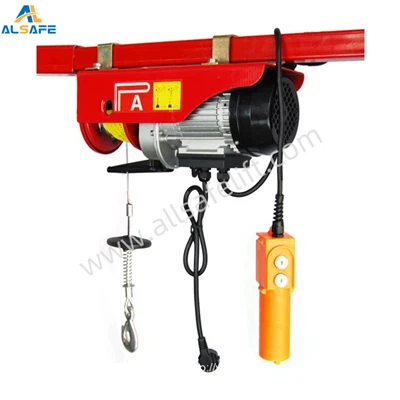
Some of our popular electric hoist products include the PA Mini Electric Hoist, Electric Wire Rope Hoist, and HHBB Type Electric Chain Hoist. These hoists are equipped with advanced brake systems that provide instant braking action, high reliability, and easy maintenance.
Contact Us for Procurement and Consultation
If you are in the market for an electric hoist with a reliable brake system, we would be happy to help. Our team of experts can provide you with detailed information about our products, including their features, specifications, and pricing. We can also offer customized solutions to meet your specific requirements.
Whether you are a small business or a large industrial enterprise, we have the expertise and experience to provide you with the right electric hoist for your needs. Contact us today to discuss your procurement needs and to learn more about how our electric hoists can help you improve the safety and efficiency of your lifting operations.
References
- Crane Manufacturers Association of America (CMAA). (2018). Specification for Overhead and Gantry Cranes.
- Occupational Safety and Health Administration (OSHA). (2019). Cranes and Derricks in Construction.
- Hoist Manufacturers Institute (HMI). (2020). Standard for Electric Chain Hoists.