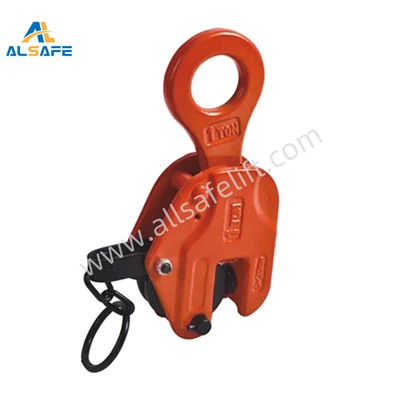
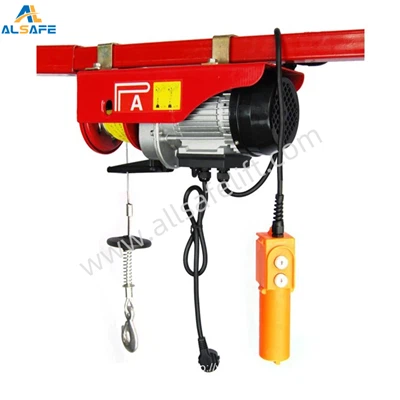
When it comes to using a lifting clamp, operators must adhere to a series of strict requirements to ensure safety and efficiency. As a trusted lifting clamp supplier, we understand the significance of these requirements and are committed to providing high - quality products along with clear guidance on their proper use.
1. Operator Training and Certification
First and foremost, operators should receive comprehensive training before using any lifting clamp. This training should cover the basic principles of lifting operations, the specific design and functionality of the lifting clamp in question, and safety regulations. For example, a well - trained operator will know how to properly attach a Beam Clamp to a beam, taking into account the beam's shape, size, and material.
Certification is also a crucial aspect. Operators should hold valid certificates that prove they have completed the necessary training courses. These certifications not only demonstrate the operator's competence but also ensure compliance with industry standards and regulations. Different types of lifting clamps may require different levels of certification. For instance, using a Horizontal Plate Lifting Clamp for heavy - duty plate lifting operations may demand a more advanced certification compared to using a simple clamp for lighter loads.
2. Pre - operation Inspection
Before each use, operators must conduct a thorough pre - operation inspection of the lifting clamp. This inspection should include checking for visible damage such as cracks, dents, or worn - out parts. Any damaged or defective lifting clamp should not be used and should be immediately taken out of service for repair or replacement.
The operator should also verify the correct installation of all components. For example, in a Drum Lifter Hook, the hook's locking mechanism should be inspected to ensure it functions properly. Additionally, the operator needs to check the load - rating plate on the lifting clamp to ensure that the intended load does not exceed the clamp's rated capacity. Overloading a lifting clamp can lead to catastrophic failures, endangering both the operator and the surrounding environment.
3. Load Assessment
Accurate load assessment is essential. Operators must determine the weight, shape, and center of gravity of the load before attaching the lifting clamp. Incorrect load assessment can cause the load to become unstable during lifting, increasing the risk of accidents.
For irregularly shaped loads, the operator may need to use additional rigging techniques or multiple lifting clamps to ensure balance. When using a Beam Clamp to lift a beam, the operator should know the beam's exact weight and how to position the clamp to maintain equilibrium.
4. Proper Attachment
Proper attachment of the lifting clamp to the load is critical. The operator should follow the manufacturer's instructions precisely. This may involve aligning the clamp correctly with the load, ensuring that the clamping force is evenly distributed, and using the appropriate locking mechanisms.
For example, when using a Horizontal Plate Lifting Clamp, the operator must ensure that the clamp is firmly attached to the plate's edge and that the teeth of the clamp grip the plate securely. Failure to attach the clamp properly can result in the load slipping during lifting.
5. Lifting Process
During the lifting process, operators should maintain a clear line of sight to the load at all times. They should also use slow and steady movements to avoid sudden jerks or shocks, which can cause the load to shift or the lifting clamp to fail.
The operator should be aware of the surrounding environment and any potential obstacles. For instance, if there are overhead power lines or other structures in the vicinity, the lifting operation should be carefully planned to avoid contact.
6. Post - operation Maintenance
After the lifting operation is completed, the operator should clean the lifting clamp to remove any dirt, debris, or corrosive substances. Regular lubrication of moving parts is also necessary to ensure smooth operation and prevent premature wear.


The lifting clamp should be stored in a dry and secure place to prevent damage. A detailed record of the lifting clamp's usage, inspections, and maintenance should be kept. This record can help in identifying any potential issues early and ensuring that the lifting clamp remains in good working condition.
7. Emergency Preparedness
Operators should be trained in emergency procedures in case of a lifting clamp failure or other unforeseen events. This includes knowing how to stop the lifting operation immediately, how to secure the load safely, and how to call for assistance.
Emergency equipment such as fire extinguishers and first - aid kits should be readily available in the work area. The operator should also be familiar with the location of emergency exits and evacuation routes.
8. Continuous Learning
The field of lifting equipment is constantly evolving, with new technologies and safety standards emerging regularly. Operators should engage in continuous learning to stay updated on the latest best practices and regulations.
As a lifting clamp supplier, we often organize training sessions and provide educational materials to our customers. These resources can help operators improve their skills and knowledge, ensuring safer and more efficient lifting operations.
In conclusion, using a lifting clamp safely and effectively requires operators to meet a wide range of requirements. From proper training and pre - operation inspections to accurate load assessment and post - operation maintenance, every step in the process is crucial. As a leading lifting clamp supplier, we are dedicated to providing high - quality products and supporting our customers with the necessary guidance and training.
If you are interested in purchasing high - quality lifting clamps or have any questions about their proper use, we invite you to contact us for a detailed discussion. Our team of experts is ready to assist you in finding the most suitable lifting clamp solutions for your specific needs.
References
- Industry standards and regulations for lifting equipment.
- Manufacturer's manuals for various lifting clamps.
- Safety guidelines provided by relevant occupational safety organizations.