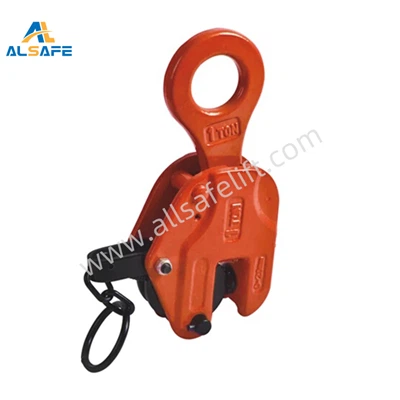
As a trusted supplier of lifting clamps, I've witnessed firsthand how environmental factors can significantly impact the performance of these essential tools. Lifting clamps are used in a wide range of industries, from construction and manufacturing to shipping and logistics. Understanding the environmental elements that can affect their performance is crucial for ensuring safety, efficiency, and longevity.


Temperature
One of the most significant environmental factors that can influence the performance of a lifting clamp is temperature. Extreme heat or cold can cause the materials used in the clamp to expand or contract, which may lead to changes in its dimensions and mechanical properties.
In high - temperature environments, metals can become softer and lose their strength. For example, if a lifting clamp is made of steel and is exposed to temperatures above its critical limit, its yield strength and hardness can decrease. This means that the clamp may not be able to hold the load as securely as it should, increasing the risk of the load slipping or the clamp failing. On the other hand, in extremely cold temperatures, metals can become brittle. A brittle clamp is more likely to crack or break under stress, especially when subjected to sudden impacts or heavy loads.
When selecting a lifting clamp for use in a high - temperature environment, it's important to choose one made from heat - resistant materials. Some manufacturers offer clamps with special coatings or alloys that can withstand elevated temperatures. For cold - weather applications, clamps should be designed to maintain their toughness and flexibility at low temperatures.
Humidity and Corrosion
Humidity is another environmental factor that can have a detrimental effect on lifting clamps. High humidity levels can lead to corrosion, especially if the clamps are made of metal. Corrosion is a chemical reaction that occurs when metal is exposed to moisture and oxygen. It can cause the metal to weaken, lose its structural integrity, and eventually fail.
In coastal areas or industrial settings where there is a lot of moisture in the air, corrosion can be a major problem. For example, a Beam Clamp used in a shipyard may be constantly exposed to saltwater spray, which accelerates the corrosion process. To prevent corrosion, lifting clamps can be coated with anti - corrosion paints or treated with special chemicals. Regular maintenance, such as cleaning and lubrication, can also help to extend the lifespan of the clamps.
Dust and Debris
Dust and debris in the working environment can also affect the performance of lifting clamps. In construction sites, mining operations, or manufacturing plants, there may be a lot of dust, dirt, and small particles in the air. These particles can get into the moving parts of the clamp, such as the jaws or the locking mechanism, and cause them to jam or wear out more quickly.
For instance, a Drum Lifter Hook used in a cement factory may be exposed to fine cement dust. This dust can accumulate in the hook's joints and make it difficult to operate smoothly. To mitigate the effects of dust and debris, clamps should be regularly cleaned and inspected. Some clamps are designed with protective covers or seals to prevent dust from entering the critical components.
Chemical Exposure
In certain industries, lifting clamps may be exposed to various chemicals. Chemicals can react with the materials of the clamp, causing corrosion, degradation, or other forms of damage. For example, in a chemical processing plant, clamps may come into contact with acids, alkalis, or solvents.
If a Horizontal Plate Lifting Clamp is used to lift plates that have been treated with chemicals, the chemicals may seep into the clamp and cause it to deteriorate. To deal with chemical exposure, it's essential to choose clamps made from chemical - resistant materials. Manufacturers can provide clamps made from stainless steel or other alloys that are more resistant to chemical attack.
Vibration and Shock
Vibration and shock can also impact the performance of lifting clamps. In industrial settings, machinery and equipment can generate significant vibrations. These vibrations can cause the clamp to loosen over time, especially if the clamp is not properly tightened or secured.
Shock loads, such as sudden impacts when the load is being lifted or dropped, can also put stress on the clamp. A lifting clamp that is designed to handle static loads may not be able to withstand the dynamic forces generated by shock loads. To address vibration and shock issues, clamps can be equipped with locking mechanisms that prevent them from loosening. Additionally, the design of the clamp should take into account the potential for shock loads, and it should be tested to ensure that it can withstand these forces.
Altitude
Altitude can be an often - overlooked environmental factor. At high altitudes, the air pressure is lower, and the oxygen content is reduced. This can affect the performance of some types of lifting clamps, especially those that rely on pneumatic or hydraulic systems.
In a pneumatic lifting clamp, the lower air pressure at high altitudes may result in reduced lifting force. Hydraulic systems may also be affected, as the viscosity of the hydraulic fluid can change with altitude. When using lifting clamps at high altitudes, it's important to consult the manufacturer's specifications and make any necessary adjustments to ensure proper operation.
Conclusion
In conclusion, a variety of environmental factors can have a significant impact on the performance of lifting clamps. Temperature, humidity, dust, chemicals, vibration, shock, and altitude all need to be carefully considered when selecting and using these tools. As a lifting clamp supplier, I am committed to providing high - quality products that are designed to withstand the challenges of different environments.
If you are in the market for lifting clamps and need to ensure that they can perform optimally in your specific working conditions, I encourage you to reach out to me. I can help you select the right type of clamp and provide advice on maintenance and proper use. Contact me to start a discussion about your lifting clamp needs and let's work together to find the best solutions for your operations.
References
- Machinery's Handbook, Industrial Press Inc.
- ASME B30.20 - Safety Standard for Below - the - Hook Lifting Devices
- OSHA Guidelines for Lifting Equipment Safety