Hey there! I'm a supplier of lifting clamps, and I'm here to share with you how to use a lifting clamp for a one-time lifting job. Whether you're a DIY enthusiast or a professional in the construction or industrial field, getting the hang of using these clamps safely and effectively is super important.
Understanding Your Lifting Clamp
First things first, there are different types of lifting clamps out there, each designed for specific jobs. For instance, the Horizontal Plate Lifting Clamp is great for lifting flat plates horizontally. It's got a special design that allows it to grip the plate firmly from the sides, making sure it doesn't slip during the lift.
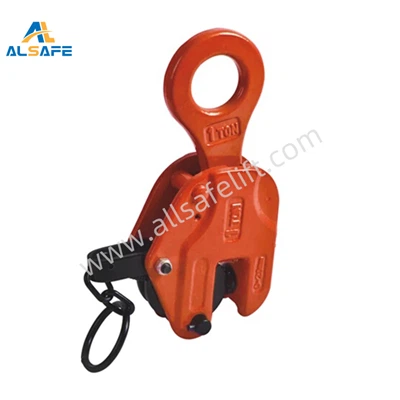
Then we have the Vertical Lifting Clamp. As the name suggests, this one is used for lifting objects vertically. It's commonly used when you need to move things like steel beams or pipes in an upright position.


And if you're dealing with drums, the Drum Lifter Hook is your go-to. It's specifically designed to grab onto drums securely, so you can lift and move them without any hassle.
Pre-Lift Checks
Before you even think about using the lifting clamp, you've got to do some pre-lift checks. This is crucial for your safety and the success of the lifting job.
- Inspect the Clamp: Take a good look at the lifting clamp. Check for any signs of damage, like cracks, dents, or worn-out parts. If you notice anything wrong, don't use the clamp. It's better to be safe than sorry.
- Check the Load: Make sure you know the weight and dimensions of the load you're going to lift. The lifting clamp has a maximum load capacity, and you don't want to exceed it. Overloading the clamp can lead to serious accidents.
- Examine the Lifting Point: The lifting point on the load should be strong enough to support the weight. It should also be clean and free of any debris or rust that could affect the grip of the clamp.
Setting Up the Lifting Clamp
Once you've done your pre-lift checks, it's time to set up the lifting clamp.
- Choose the Right Clamp: Based on the type of load and the lifting job, select the appropriate lifting clamp. If you're lifting a flat plate horizontally, use the horizontal plate lifting clamp. If it's a vertical lift, go for the vertical lifting clamp.
- Position the Clamp: Place the clamp on the load in the right position. Make sure it's centered and aligned properly. For example, when using a horizontal plate lifting clamp, position it so that the jaws of the clamp are firmly gripping the sides of the plate.
- Secure the Clamp: Tighten the clamp according to the manufacturer's instructions. Most clamps have a locking mechanism that you need to engage to ensure a secure grip. Double-check that the clamp is locked in place before you start the lift.
Lifting the Load
Now that the lifting clamp is set up, it's time to lift the load.
- Use the Right Equipment: You'll need a lifting device, like a crane or a hoist, to lift the load. Make sure the lifting device is rated for the weight of the load and is in good working condition.
- Lift Slowly and Steadily: Start the lift slowly and steadily. Keep an eye on the load and the clamp to make sure everything is going smoothly. If you notice any signs of instability or slippage, stop the lift immediately and recheck the setup.
- Avoid Sudden Movements: Sudden movements can cause the load to shift or the clamp to lose its grip. Try to keep the lift as smooth as possible.
Post-Lift Checks
After you've completed the lift, it's important to do some post-lift checks.
- Inspect the Clamp Again: Check the lifting clamp for any signs of damage that may have occurred during the lift. If you notice any new cracks or wear, it's time to replace the clamp.
- Store the Clamp Properly: Clean the clamp and store it in a dry, safe place. This will help extend its lifespan and ensure it's ready for the next lifting job.
Tips for a Successful One-Time Lifting Job
- Read the Manual: Always read the manufacturer's manual before using the lifting clamp. It will provide you with important information about the clamp's operation, maintenance, and safety precautions.
- Get Training: If you're not familiar with using lifting clamps, it's a good idea to get some training. This will help you learn the proper techniques and safety procedures.
- Use Personal Protective Equipment (PPE): Wear appropriate PPE, like safety glasses, gloves, and a hard hat, when using the lifting clamp. This will protect you from any potential hazards.
Contact Us for Your Lifting Clamp Needs
If you're in the market for a high-quality lifting clamp for your one-time lifting job, we've got you covered. We offer a wide range of lifting clamps, including the Horizontal Plate Lifting Clamp, Vertical Lifting Clamp, and Drum Lifter Hook. Our clamps are made from top-notch materials and are designed to meet the highest safety standards.
Don't hesitate to reach out to us if you have any questions or need help choosing the right lifting clamp for your job. We're here to assist you every step of the way.
References
- Lifting Equipment Manufacturers Association (LEMA) - Guidelines for the safe use of lifting clamps
- Occupational Safety and Health Administration (OSHA) - Regulations on lifting operations and equipment safety