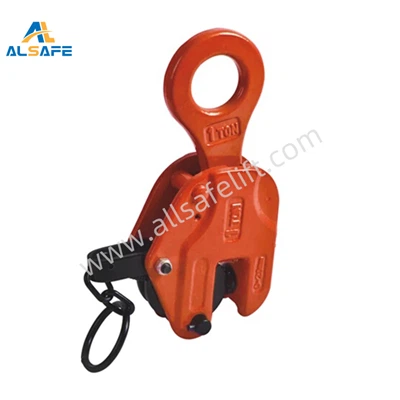
Hey there! As a supplier of Drum Lifter Hook, I've seen firsthand how important it is to store these tools properly. A well - stored drum lifter hook not only lasts longer but also ensures safety during operation. So, let's dive into how you can store your drum lifter hook the right way.
Clean Before Storage
First things first, you gotta clean the drum lifter hook before putting it away. After use, the hook might be covered in dirt, grease, or other debris. Use a clean cloth to wipe off any visible dirt. For stubborn grease, you can use a mild degreaser. Make sure to follow the manufacturer's instructions when using any cleaning agents.
Cleaning is crucial because dirt and grease can cause corrosion over time. Corrosion weakens the hook, making it less reliable for future use. Once you've wiped it down, give it a good inspection. Look for any signs of wear and tear, like cracks or bent parts. If you find any issues, it's better to get it repaired or replaced right away.
Choose the Right Storage Location
The storage location plays a huge role in keeping your drum lifter hook in good condition. You want to find a dry and cool place. Moisture is the enemy of metal, and a damp environment can lead to rusting. A storage shed or a garage with proper ventilation is a great option.
Avoid storing the hook outdoors if possible. Exposure to rain, snow, and extreme temperatures can damage the hook. If you have to store it outside for a short period, make sure it's covered with a waterproof tarp. Also, keep the hook away from chemicals or substances that could corrode it. For example, if you have a workshop with chemicals like acids or solvents, don't store the hook in the same area.
Organize the Storage Space
Now, let's talk about how to organize the storage space for your drum lifter hook. You don't want it lying around on the floor where it can get damaged or cause a tripping hazard. One option is to use a wall - mounted rack. You can hang the hook on the rack, which keeps it off the ground and makes it easy to access.
If you don't have a wall - mounted rack, you can use a storage bin. Just make sure the bin is big enough for the hook and that it's labeled properly. This way, you know exactly where to find the hook when you need it. You can also use dividers in the bin to keep the hook separate from other tools and prevent it from getting scratched.
Protect the Hook
To further protect the drum lifter hook during storage, you can use a protective cover. There are special covers available in the market that are designed for lifting equipment. These covers can prevent dust, dirt, and moisture from reaching the hook.
If you don't have a commercial cover, you can make a simple one at home. For example, you can use an old towel or a piece of fabric to wrap the hook. Just make sure it's tightly wrapped so that no debris can get in.
Check Regularly
Even if you've stored the drum lifter hook properly, it's important to check it regularly. Set a schedule, like once a month or every few weeks, to inspect the hook. Look for any signs of corrosion, damage, or wear. If you notice any issues, take action immediately.
Regular checks also help you keep track of the hook's condition over time. You can spot any trends, like increasing wear in a particular area, and take preventive measures. This way, you can ensure that the hook is always in good working condition when you need to use it.
Consider the Accessories
The drum lifter hook might come with accessories like chains or straps. These accessories also need to be stored properly. Clean them in the same way as the hook and store them in a separate but nearby location. You can use small storage bags or containers for the accessories.
For example, if you have a chain that goes with the hook, make sure it's coiled neatly and stored in a bag. This prevents it from getting tangled and makes it easier to use when you need it. And just like the hook, inspect the accessories regularly for any signs of damage.
Training and Education
If you have a team that uses the drum lifter hook, make sure they are trained on proper storage procedures. Everyone should know why it's important to store the hook correctly and how to do it. You can conduct short training sessions or provide written instructions.


This way, everyone in the team takes responsibility for the hook's storage and maintenance. It also reduces the chances of someone accidentally damaging the hook during storage.
Compatibility with Other Equipment
Sometimes, you might use the drum lifter hook in combination with other lifting equipment, like Beam Clamp or Horizontal Plate Lifting Clamp. When storing the drum lifter hook, consider its compatibility with these other tools.
For example, if you store them together, make sure they don't damage each other. You can use dividers or padding to separate them. Also, if you're using different types of lifting equipment, make sure you have a clear storage system for each type. This makes it easier to manage and find the right equipment when you need it.
Conclusion
Proper storage of the drum lifter hook is essential for its longevity and safety. By following these steps, you can ensure that your hook stays in good condition for a long time. Remember to clean it before storage, choose the right location, organize the space, protect it, check it regularly, and take care of the accessories.
If you're in the market for a high - quality drum lifter hook or have any questions about storage or usage, feel free to reach out. We're here to help you make the best decisions for your lifting needs. Whether you're a small business or a large industrial operation, we've got the right solutions for you. So, don't hesitate to contact us for more information and to start a procurement discussion.
References
- General guidelines on lifting equipment storage from industry safety standards.
- Manufacturer's instructions for drum lifter hook maintenance and storage.