Hey there! As an electric hoist supplier, I've seen a lot of folks scratching their heads when it comes to selecting an explosion-proof electric hoist. It's not an easy decision, but don't worry, I'm here to walk you through the process.
First off, let's talk about what an explosion-proof electric hoist is and why you might need one. An explosion-proof electric hoist is designed to operate safely in hazardous environments where there's a risk of explosion due to the presence of flammable gases, vapors, or dust. Industries like oil and gas, chemical processing, and mining often require this kind of equipment to ensure the safety of their workers and facilities.
Understanding the Hazardous Environment
The very first step in selecting an explosion-proof electric hoist is to understand the nature of the hazardous environment where it'll be used. You need to figure out what kind of flammable substances are present. Are they gases, like methane or propane? Or is it dust, such as coal dust or grain dust? Different substances have different ignition characteristics, and the hoist needs to be rated accordingly.
There are also different zones in a hazardous area. Zone 0, for example, is an area where an explosive gas atmosphere is present continuously or for long periods. Zone 1 is where an explosive gas atmosphere is likely to occur in normal operation, and Zone 2 is where an explosive gas atmosphere is not likely to occur in normal operation but, if it does, will persist for a short time only. The hoist you choose must be suitable for the specific zone in your workplace.
Checking the Certification
Once you've got a handle on the hazardous environment, the next thing you gotta do is check the hoist's certification. A good explosion-proof electric hoist should have proper certification from recognized authorities. In Europe, the ATEX directive is widely used, and in the United States, the NEC (National Electrical Code) has specific requirements for explosion-proof equipment.
These certifications ensure that the hoist has been tested and meets the necessary safety standards for use in hazardous environments. When you're looking at hoists, make sure to ask the supplier for the certification documents. If they can't provide them, it's a big red flag, and you should probably look elsewhere.
Capacity and Lifting Height
Another crucial factor is the hoist's capacity and lifting height. You need to know how much weight the hoist will need to lift and how high it needs to lift it. Overloading a hoist can not only damage the equipment but also pose a serious safety risk. So, be realistic about your lifting requirements.
If you're not sure about the capacity you need, think about the heaviest load you'll ever need to lift and add a bit of a safety margin. As for the lifting height, measure the vertical distance from the lowest point where the load will be picked up to the highest point where it will be placed. Make sure the hoist you choose can handle both the capacity and the lifting height you need.
Type of Hoist
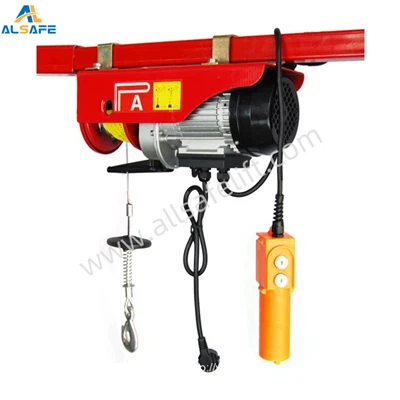
There are different types of electric hoists, and each has its own advantages and disadvantages. Two common types are the Electric Wire Rope Hoist and the Electric Chain Hoist.
The electric wire rope hoist is great for heavy-duty applications. It can handle larger capacities and longer lifting heights compared to chain hoists. It's also more suitable for outdoor use because the wire rope is more resistant to weather conditions.
On the other hand, the electric chain hoist is more compact and lightweight. It's easier to install and maintain, and it's a good choice for lighter loads and shorter lifting heights. If you're working in a confined space, a chain hoist might be the better option.
We also have the HHBB Type Electric Chain Hoist, which is a specialized type of chain hoist with some unique features. It's designed for high-performance and reliability, and it's often used in industrial settings where precision and durability are important.
Speed and Control
The speed at which the hoist can lift and lower the load is another important consideration. Some applications require fast lifting speeds to increase productivity, while others need slower speeds for more precise positioning. You should choose a hoist with a speed that matches your specific needs.
In addition to speed, the control system of the hoist is also crucial. A good hoist should have a reliable and easy-to-use control system. Some hoists come with pendant controls, which are handheld devices that allow you to operate the hoist from a short distance. Others have radio remote controls, which give you more flexibility and allow you to operate the hoist from a greater distance.
Maintenance and Service
Let's not forget about maintenance and service. An explosion-proof electric hoist is a significant investment, and you want it to last as long as possible. Look for a hoist that's easy to maintain. It should have accessible parts and clear instructions for maintenance.
It's also a good idea to choose a supplier that offers good after-sales service. They should be able to provide spare parts quickly and have technicians who are trained to service explosion-proof hoists. Regular maintenance is essential to keep the hoist in good working condition and ensure its safety.
Cost
Of course, cost is always a factor. But remember, the cheapest option isn't always the best. You need to balance the cost with the quality and features of the hoist. A high-quality explosion-proof electric hoist may cost more upfront, but it can save you money in the long run by reducing maintenance costs and downtime.
When comparing prices, make sure you're comparing apples to apples. Consider all the factors we've discussed, such as capacity, certification, and after-sales service. Don't just go for the lowest price without considering the overall value.
Making the Decision
So, there you have it, all the key factors to consider when selecting an explosion-proof electric hoist. It's a big decision, but if you take the time to do your research and consider all these factors, you'll be able to choose the right hoist for your needs.
If you're still not sure or have any questions, don't hesitate to reach out to us. As an electric hoist supplier, we've got the expertise and experience to help you make the best choice. Whether you need a Electric Wire Rope Hoist, a HHBB Type Electric Chain Hoist, or an Electric Chain Hoist, we can provide you with the right solution.


Let's start a conversation about your lifting requirements, and we'll work together to find the perfect explosion-proof electric hoist for your business.
References
- National Fire Protection Association. National Electrical Code (NEC).
- European Union. ATEX Directive.
- Manufacturer's documentation for explosion-proof electric hoists.