Hey there! As a beam clamp supplier, I often get asked about how to measure the size of a beam for a beam clamp. It's a crucial step because using the wrong - sized beam clamp can be dangerous and inefficient. So, let's dive right into it.
Why Measuring the Beam Size is Important
First off, why does it matter? Well, if the beam clamp is too small for the beam, it won't fit properly. It might not grip the beam securely, which could lead to the load slipping during lifting operations. On the other hand, if the clamp is too large, it won't be able to provide the necessary force to hold the load safely. This can result in accidents, damage to the equipment, and even injury to the workers. So, getting the measurement right is a must - do.
Tools You'll Need
Before you start measuring, you'll need a few tools. A good quality tape measure is essential. Make sure it's long enough to measure the dimensions of the beam. A caliper can also come in handy, especially for getting more precise measurements of smaller parts of the beam. And if you're dealing with irregularly shaped beams, a contour gauge can help you map out the shape.
Measuring the Beam's Width
The width of the beam is one of the most important dimensions. To measure it, start by placing the tape measure across the top of the beam at its widest point. Make sure the tape measure is straight and not bent or twisted. Take the measurement and write it down. It's a good idea to measure at a few different points along the beam's length, especially if the beam is old or has been in use for a while. Sometimes, beams can warp or deform over time, so getting multiple measurements can give you a more accurate picture of the actual width.
Measuring the Beam's Depth
Next up is the depth of the beam. This is the distance from the top to the bottom of the beam. Again, use your tape measure. Place it vertically along the side of the beam, starting from the top edge and going all the way down to the bottom. Just like with the width, measure at a few different points to account for any possible variations. The depth of the beam is important because it affects how the beam clamp will fit and how much force it can apply.
Measuring the Flange Thickness
The flange is the flat part at the top and bottom of the beam. Measuring the flange thickness is crucial because the beam clamp needs to be able to grip the flange properly. Use a caliper for this measurement. Place the caliper jaws on either side of the flange and close them until they touch the flange. Read the measurement on the caliper's scale. Measure the flange thickness at multiple points, as it can vary across the length of the beam.


Considering the Beam's Shape
Beams come in different shapes, such as I - beams, H - beams, and T - beams. Each shape has its own unique characteristics that need to be considered when measuring for a beam clamp. For example, I - beams have a narrow web in the middle and wide flanges at the top and bottom. When measuring an I - beam, you need to pay close attention to the dimensions of the web and the flanges. H - beams are similar to I - beams but are generally more symmetrical. T - beams have a single flange and a stem, so the measurement process will be a bit different.
Using the Measurements to Select a Beam Clamp
Once you have all the measurements, it's time to select the right beam clamp. Look for a beam clamp that is designed to fit the specific dimensions of your beam. Most beam clamps will have a range of acceptable beam sizes listed in their product specifications. Make sure the width, depth, and flange thickness of your beam fall within this range.
Our Product Range
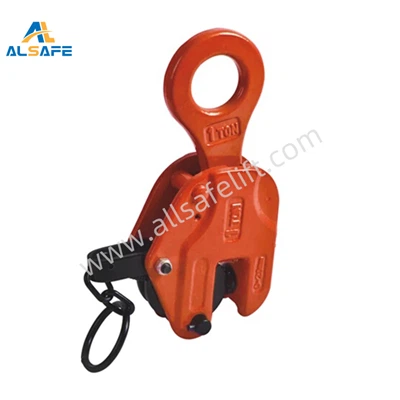
As a beam clamp supplier, we offer a wide range of beam clamps to suit different beam sizes and applications. For example, if you're looking for a Vertical Lifting Clamp, we have models that can handle various beam dimensions. These clamps are great for lifting beams vertically and are designed for maximum safety and efficiency.
If you need to lift flat plates horizontally, our Horizontal Plate Lifting Clamp is a great option. It's designed to grip the plate securely and can be adjusted to fit different plate thicknesses.
And for those who need to lift drums, our Drum Lifter Hook is a reliable choice. It's strong enough to handle heavy - duty drums and is easy to use.
Final Tips
When measuring the beam, always double - check your measurements. A small error in measurement can lead to big problems later on. And if you're unsure about any of the measurements or which beam clamp to choose, don't hesitate to reach out to us. We have a team of experts who can help you make the right decision.
Conclusion
Measuring the size of a beam for a beam clamp is a detailed process, but it's essential for ensuring the safety and efficiency of your lifting operations. By following the steps outlined above and using the right tools, you can get accurate measurements and select the perfect beam clamp for your needs.
If you're in the market for high - quality beam clamps or have any questions about measuring beams, we'd love to hear from you. Contact us to start a conversation about your specific requirements and let's work together to find the best solution for your business.
References
- "Lifting Equipment Handbook" by Andrew Pytel
- Industry standards and guidelines for beam clamps and lifting operations