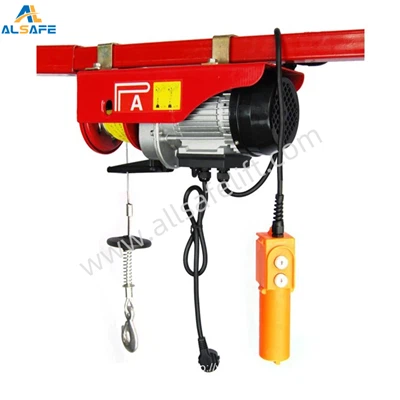
Ensuring the proper balance when using a lever hoist is crucial for both the safety of the operator and the efficiency of the lifting operation. As a lever hoist supplier, I've witnessed firsthand the importance of this balance in various industrial settings. In this blog, I'll share some key insights on how to achieve and maintain that balance.


Understanding the Basics of Lever Hoists
Before delving into balance, it's essential to understand what a lever hoist is and how it works. A lever hoist is a mechanical device used for lifting, pulling, and positioning heavy loads. It operates on the principle of a lever and a ratchet mechanism, allowing the operator to lift or lower a load with relative ease. There are different types of lever hoists available, such as the VL Type Lever Block, Ratchet Lever Hoist, and Mini Lever Hoist. Each type has its own unique features and applications, but the fundamental concept of balance remains the same.
Pre - Operation Checks for Balance
- Inspect the Hoist
- Before using a lever hoist, thoroughly inspect it for any signs of damage or wear. Check the chain, hooks, and the lever mechanism. A damaged chain can cause uneven pulling, leading to an imbalance during the lifting process. Make sure the hooks are in good condition and can securely hold the load.
- Look for any misalignments in the hoist's components. A misaligned ratchet or lever can make it difficult to control the movement of the load and disrupt the balance.
- Check the Load
- Assess the weight and shape of the load. An irregularly shaped load is more likely to cause balance issues. If possible, try to distribute the weight evenly within the load. For example, if you're lifting a pallet of goods, make sure the items are stacked neatly and centered.
- Determine the center of gravity of the load. The center of gravity is the point where the entire weight of the load can be considered to act. Knowing the center of gravity helps in positioning the hoist and ensuring that the load is lifted evenly.
Proper Mounting and Positioning
- Select the Right Mounting Point
- Choose a sturdy and secure mounting point for the lever hoist. The mounting point should be able to withstand the weight of the load and any additional forces generated during the lifting operation. A weak or unstable mounting point can lead to the hoist swinging or shifting, causing an imbalance.
- Ensure that the mounting point is directly above the center of gravity of the load. This helps in maintaining a vertical lift and reduces the risk of the load tilting or swaying.
- Position the Operator
- The operator should stand in a stable position, preferably in front of the hoist and in line with the direction of the load's movement. This allows the operator to have better control over the lever and respond quickly to any changes in the balance of the load.
- Keep a safe distance from the load and the hoist. This not only protects the operator from potential hazards but also provides a clear view of the entire lifting operation.
Operating the Lever Hoist for Balance
- Slow and Steady Movement
- When operating the lever hoist, use slow and steady movements. Jerky or rapid movements can cause the load to swing or shift, leading to an imbalance. Start by making small increments in the lifting or lowering process and observe the load's movement carefully.
- Avoid over - cranking the lever. Over - cranking can put excessive stress on the hoist's components and may cause the load to move uncontrollably.
- Use the Right Lever Technique
- Apply force evenly on the lever. Pushing or pulling too hard on one side of the lever can cause the load to tilt. Use both hands if necessary to ensure a balanced application of force.
- Follow the manufacturer's instructions regarding the maximum force that can be applied to the lever. Exceeding this limit can damage the hoist and compromise the balance of the load.
Monitoring the Load During Lifting
- Visual Inspection
- Continuously monitor the load's position and movement during the lifting process. Look for any signs of tilting, swaying, or uneven movement. If you notice any issues, stop the operation immediately and make the necessary adjustments.
- Check the alignment of the chain and the hooks. A chain that is rubbing against the hoist's frame or a hook that is not properly engaged can cause balance problems.
- Use of Additional Aids
- In some cases, additional aids such as guide ropes can be used to control the movement of the load and maintain balance. Guide ropes can be attached to the sides of the load and held by assistants. This helps in preventing the load from swinging or rotating during the lifting process.
Dealing with Imbalance During Operation
- Stop the Operation
- If you detect an imbalance during the lifting operation, stop using the lever hoist immediately. Continuing to operate the hoist with an imbalanced load can lead to serious accidents, such as the load falling or the hoist malfunctioning.
- Re - Evaluate the Situation
- Analyze the cause of the imbalance. It could be due to a misaligned load, a problem with the hoist, or an issue with the mounting point. Once you've identified the cause, take the appropriate steps to correct it.
- If the load has shifted, try to re - position it carefully. If the hoist is misaligned, adjust it to the correct position.
Post - Operation Maintenance for Future Balance
- Clean and Lubricate
- After each use, clean the lever hoist to remove any dirt, debris, or grease. This helps in preventing corrosion and ensures that the components move smoothly. Lubricate the moving parts, such as the ratchet and the chain, according to the manufacturer's recommendations. A well - lubricated hoist operates more efficiently and is less likely to experience balance - related issues in future operations.
- Store Properly
- Store the lever hoist in a dry and safe place. Hanging the hoist by the chain in a vertical position helps in maintaining the shape and integrity of the chain and other components. This also ensures that the hoist is ready for the next use without any pre - existing balance problems.
Conclusion
Ensuring the proper balance when using a lever hoist is a multi - step process that involves pre - operation checks, proper mounting and positioning, careful operation, and post - operation maintenance. By following these guidelines, operators can minimize the risk of accidents and ensure the efficient and safe use of lever hoists.
As a lever hoist supplier, I understand the importance of providing high - quality products and sharing valuable knowledge with our customers. If you're in the market for a lever hoist or have any questions about ensuring balance during its use, I encourage you to reach out for a procurement discussion. We can help you select the right type of hoist for your specific needs and provide further guidance on achieving optimal balance in your lifting operations.
References
- Industrial Lifting Equipment Handbook.
- Safety Standards for Lever Hoist Operations.