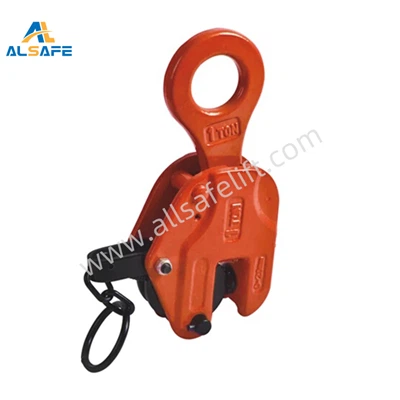
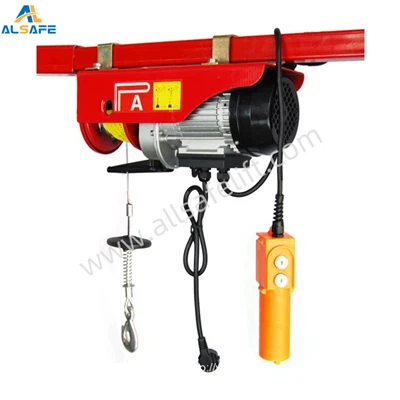
Hey there! As a beam clamp supplier, I've seen firsthand how crucial it is to pick the right beam clamp for a specific task. It's not just about grabbing any clamp off the shelf; it's about making sure it's the perfect fit for what you're trying to do. In this blog, I'll share some tips on how to determine the right type of beam clamp for your job.
Understanding the Basics of Beam Clamps
First things first, let's talk about what beam clamps are. Beam clamps are devices used to attach equipment or structures to beams. They come in various shapes and sizes, each designed for a specific purpose. Some are used for lifting heavy loads, while others are for securing pipes or cables. The key is to understand the different types and their applications.
There are several common types of beam clamps, including:
- Screw-Type Beam Clamps: These are the most basic type of beam clamps. They use a screw mechanism to tighten the clamp onto the beam. They're easy to install and remove, making them a popular choice for temporary applications.
- Weld-On Beam Clamps: As the name suggests, these clamps are welded directly onto the beam. They provide a permanent and secure attachment, but they're not suitable for applications where you need to move the clamp frequently.
- Spring-Loaded Beam Clamps: These clamps use a spring mechanism to hold the clamp in place. They're quick and easy to install, and they're often used in applications where you need to make frequent adjustments.
Factors to Consider When Choosing a Beam Clamp
Now that you know the different types of beam clamps, let's talk about the factors you need to consider when choosing the right one for your task.
Load Capacity
The most important factor to consider is the load capacity of the beam clamp. This is the maximum weight that the clamp can safely support. You need to make sure that the load capacity of the clamp is greater than the weight of the load you're going to lift or secure. If you use a clamp with a lower load capacity, it could fail, causing serious injury or damage.
When calculating the load capacity, you also need to consider the dynamic load. This is the additional force that's applied to the clamp when the load is moving or being lifted. Dynamic loads can be much higher than static loads, so it's important to choose a clamp with a sufficient safety factor.
Beam Size and Shape
Another important factor is the size and shape of the beam. Beam clamps are designed to fit specific beam sizes and shapes. You need to make sure that the clamp you choose is compatible with the beam you're using. If the clamp is too small, it won't fit properly, and if it's too large, it won't provide a secure attachment.
There are different types of beam profiles, such as I-beams, H-beams, and C-channels. Each type of beam has a different shape and size, so you need to choose a clamp that's designed for the specific beam profile you're using.
Application
The application is also an important factor to consider. Different applications require different types of beam clamps. For example, if you're using the clamp for lifting heavy loads, you'll need a clamp with a high load capacity and a secure attachment. If you're using the clamp for securing pipes or cables, you'll need a clamp that's easy to install and adjust.
Some common applications for beam clamps include:
- Lifting Equipment: Beam clamps are often used to attach lifting equipment, such as cranes and hoists, to beams. In this application, you need a clamp with a high load capacity and a secure attachment.
- Pipe and Cable Support: Beam clamps can also be used to support pipes and cables. In this application, you need a clamp that's easy to install and adjust.
- Structural Support: Beam clamps can be used to provide structural support for buildings and other structures. In this application, you need a clamp that's strong and durable.
Environmental Conditions
The environmental conditions where the beam clamp will be used are also important to consider. If the clamp will be exposed to harsh weather conditions, such as rain, snow, or extreme temperatures, you need to choose a clamp that's made from a corrosion-resistant material. If the clamp will be used in a hazardous environment, such as a chemical plant or a nuclear facility, you need to choose a clamp that meets the relevant safety standards.
Examples of Beam Clamps for Different Tasks
Let's take a look at some examples of beam clamps for different tasks.


Lifting Heavy Loads
If you need to lift heavy loads, you might consider using a Beam Clamp. These clamps are designed to provide a secure attachment for lifting equipment, such as cranes and hoists. They have a high load capacity and are made from strong and durable materials.
Securing Pipes and Cables
For securing pipes and cables, a spring-loaded beam clamp might be a good choice. These clamps are easy to install and adjust, and they provide a secure attachment for pipes and cables. You can also use a Horizontal Plate Lifting Clamp for this application.
Lifting Drums
If you need to lift drums, you can use a Drum Lifter Hook. These hooks are designed to provide a secure attachment for drums, and they're easy to use.
Conclusion
Choosing the right type of beam clamp for a specific task is crucial for ensuring safety and efficiency. By considering factors such as load capacity, beam size and shape, application, and environmental conditions, you can make an informed decision and choose the clamp that's right for your job.
If you're still not sure which beam clamp is right for your task, don't hesitate to contact us. We're a beam clamp supplier with years of experience, and we're here to help you find the perfect clamp for your needs. Whether you're a small business or a large corporation, we can provide you with high-quality beam clamps at competitive prices. So, get in touch with us today and let's start the conversation about your beam clamp requirements.
References
- "Lifting Equipment Handbook" by Peter W. Wright
- "Structural Steel Design" by William T. Segui