Hey there, folks! As a supplier of lifting clamps, I often get asked about how to keep these tools in top - notch condition. One crucial aspect of maintaining lifting clamps is checking the wear of the jaws. In this blog, I'm gonna walk you through the process of checking the wear of the jaws in a lifting clamp, so you can ensure the safety and efficiency of your lifting operations.

First off, let's understand why checking the wear of the jaws is so important. The jaws of a lifting clamp are the parts that come into direct contact with the load. Over time, due to repeated use, friction, and the weight of the loads they handle, the jaws can wear down. Worn - out jaws can compromise the grip on the load, leading to slippage and potential accidents. This is not only dangerous for the workers involved but can also cause damage to the load and the surrounding equipment.

Now, let's get into the nitty - gritty of how to check the wear. The first step is to conduct a visual inspection. Before using the lifting clamp, take a good look at the jaws. You're looking for signs of obvious damage, such as cracks, chips, or excessive deformation. Cracks can weaken the structure of the jaws, and chips can reduce the contact area with the load, both of which are bad news. If you notice any of these issues, it's a no - brainer to take the clamp out of service immediately.
Next, you'll want to measure the wear of the jaws. You can use a simple measuring tool like a caliper. Measure the thickness of the jaws at various points. Compare these measurements with the manufacturer's specifications. Usually, there will be a limit on how much wear is acceptable. If the measured thickness is below this limit, it's time to replace the jaws or the entire clamp.
Another thing to pay attention to is the surface condition of the jaws. The jaws should have a smooth but not overly polished surface. A rough surface can cause excessive wear on the load, while an overly smooth surface may reduce the friction and grip. Check for any signs of uneven wear, such as grooves or ridges. These can indicate that the clamp is not being used correctly or that there is an issue with the alignment.
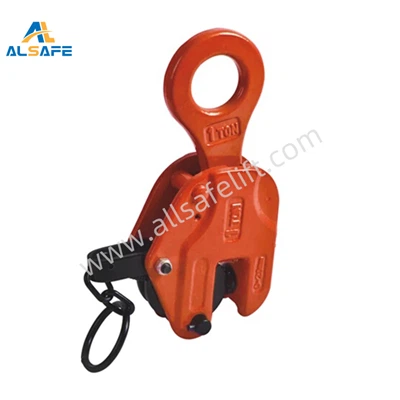
When checking the wear of the jaws, it's also important to consider the type of lifting clamp you're using. For example, if you're using a [Vertical Lifting Clamp](/lifting - equipment/lifting - clamp/vertical - lifting - clamp.html), the wear patterns might be different compared to a [Drum Lifter Hook](/lifting - equipment/lifting - clamp/drum - lifter - hook.html) or a [Beam Clamp](/lifting - equipment/lifting - clamp/beam - clamp.html). Vertical lifting clamps are designed to lift loads vertically, so the wear on the jaws may be more concentrated on the areas that come into direct contact with the load during vertical lifting.
On the other hand, drum lifter hooks are used to lift drums, and the jaws need to be able to grip the drum securely. The wear on these jaws may be affected by the shape and material of the drums. Beam clamps, which are used to attach to beams, have their own unique wear characteristics. The jaws need to be able to fit snugly around the beam, and any wear that affects the fit can lead to problems.
Regular maintenance and inspection are key to keeping the jaws in good condition. Make it a habit to check the jaws before and after each use. If you're using the lifting clamp in a harsh environment, such as a construction site or a factory with a lot of dust and debris, you may need to check more frequently.
It's also a good idea to keep a record of the inspections. This can help you track the wear over time and predict when the jaws will need to be replaced. You can note down the date of the inspection, the measurements of the jaws, and any signs of wear or damage.
In addition to visual inspection and measurement, you can also perform functional tests. Try using the lifting clamp with a test load that is within its rated capacity. Observe how the jaws grip the load. If you notice any slippage or instability, it could be a sign of worn - out jaws.
Now, let's talk about what to do if you find that the jaws are worn. If the wear is minor, you may be able to have the jaws re - surfaced or repaired by a professional. However, if the wear is significant, it's usually best to replace the jaws or the entire clamp. Using a lifting clamp with worn - out jaws is just asking for trouble.
As a lifting clamp supplier, I can tell you that investing in high - quality lifting clamps and taking good care of them is well worth it. Not only does it ensure the safety of your operations, but it also saves you money in the long run. You won't have to deal with costly accidents or frequent replacements.
If you're in the market for a new lifting clamp or need replacement parts for your existing ones, we've got you covered. We offer a wide range of lifting clamps, including [Vertical Lifting Clamp](/lifting - equipment/lifting - clamp/vertical - lifting - clamp.html), [Drum Lifter Hook](/lifting - equipment/lifting - clamp/drum - lifter - hook.html), and [Beam Clamp](/lifting - equipment/lifting - clamp/beam - clamp.html). Our products are made from high - quality materials and are designed to meet the highest safety standards.
If you have any questions about checking the wear of the jaws in a lifting clamp or need advice on choosing the right lifting clamp for your needs, don't hesitate to get in touch. We're here to help you make the best decisions for your lifting operations. Whether you're a small business or a large industrial company, we can provide you with the products and support you need.

So, go ahead and take a good look at those jaws on your lifting clamps. By following the steps I've outlined in this blog, you can keep your lifting clamps in great shape and ensure the safety of your workplace.
References:
- General industry standards for lifting equipment maintenance
- Manufacturer's guidelines for specific lifting clamp models