As a supplier of G80 lifting chains, I often receive inquiries about calculating the total weight of a G80 lifting chain assembly. This knowledge is crucial for various reasons, including transportation planning, load - bearing capacity assessment, and cost - estimation. In this blog post, I'll guide you through the process step by step.
Understanding G80 Lifting Chains
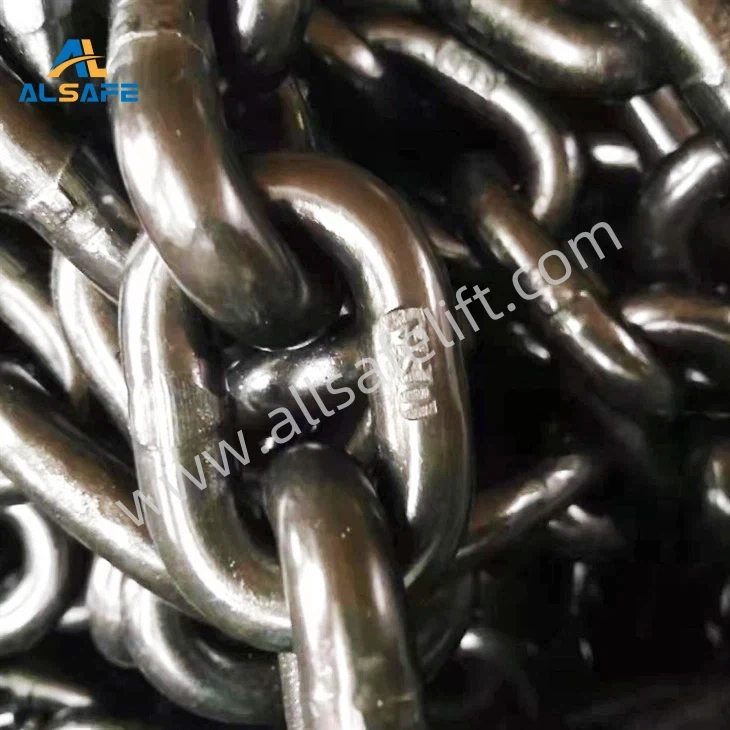
G80 lifting chains are made from high - strength alloy steel, which provides excellent durability and load - bearing capabilities. They are widely used in industries such as construction, mining, and transportation for tasks like hoisting, towing, and securing heavy loads. Compared to standard chains, G80 chains offer a much higher safety factor and are designed to withstand harsh working conditions.
Components of a G80 Lifting Chain Assembly
A typical G80 lifting chain assembly consists of several key components:
- Chain Links: The main part of the assembly, which forms the continuous loop for lifting. The size and pitch of the chain links vary depending on the specific application and load requirements.
- End Fittings: These are attached to the ends of the chain to connect it to other equipment, such as hooks, shackles, or master links. End fittings come in different shapes and sizes, each designed for a specific purpose.
Factors Affecting the Weight of a G80 Lifting Chain Assembly
Before we start calculating the weight, it's important to understand the factors that can influence it:
- Chain Size: The diameter and pitch of the chain links directly affect the weight. Larger chains with thicker links will weigh more than smaller ones.
- Length of the Chain: The longer the chain, the greater its weight. This is a straightforward relationship, as more links mean more material and thus more weight.
- Type of End Fittings: Different end fittings have different weights. For example, a heavy - duty shackle will weigh more than a simple hook.
Calculating the Weight of the Chain
The first step in calculating the total weight of a G80 lifting chain assembly is to determine the weight of the chain itself. This can be done using the following formula:
[W_{chain}=L\times w]
where (W_{chain}) is the weight of the chain, (L) is the length of the chain in meters, and (w) is the weight per unit length of the chain in kilograms per meter.
The weight per unit length of a G80 chain can be obtained from the manufacturer's specifications. For example, if you have a G80 chain with a weight per unit length of 2 kg/m and a length of 10 m, the weight of the chain would be:
[W_{chain}=10\times2 = 20\space kg]
Calculating the Weight of the End Fittings
Once you have calculated the weight of the chain, you need to add the weight of the end fittings. To do this, you first need to identify the type of end fittings used in the assembly. Then, you can look up their weights in the manufacturer's catalog or use a weighing scale if possible.
Let's say you are using two hooks as end fittings, and each hook weighs 1 kg. The total weight of the end fittings would be (2\times1 = 2\space kg).
Calculating the Total Weight of the Assembly
To calculate the total weight of the G80 lifting chain assembly, simply add the weight of the chain and the weight of the end fittings:

[W_{total}=W_{chain}+W_{fittings}]
Using the examples above, the total weight of the assembly would be (20 + 2=22\space kg).
Example Calculation
Let's go through a more detailed example. Suppose you have a G80 lifting chain assembly with the following specifications:
- Chain length: 15 m
- Weight per unit length of the chain: 2.5 kg/m
- End fittings: Two master links, each weighing 1.5 kg, and two hooks, each weighing 1 kg
First, calculate the weight of the chain:
[W_{chain}=15\times2.5 = 37.5\space kg]
Next, calculate the weight of the end fittings:
[W_{fittings}=(2\times1.5)+(2\times1)=3 + 2=5\space kg]
Finally, calculate the total weight of the assembly:
[W_{total}=37.5+5 = 42.5\space kg]
Comparison with Other Types of Lifting Chains
It's interesting to compare the weight of G80 lifting chains with other types of lifting chains, such as T8 Alloy Steel Lifting Chain and G100 Lifting Chain.
T8 chains, also known as T8 Chain, are generally lighter than G80 chains due to their different alloy composition and design. However, they may not have the same load - bearing capacity. G100 chains, on the other hand, are stronger and often heavier than G80 chains because they are made from a higher - grade alloy steel.
Importance of Accurate Weight Calculation
Accurately calculating the total weight of a G80 lifting chain assembly is essential for several reasons:
- Safety: Knowing the exact weight helps ensure that the equipment used to lift the assembly can handle the load safely. Overloading can lead to equipment failure and accidents.
- Transportation: When transporting the chain assembly, the weight affects the choice of transportation method and the associated costs.
- Cost - Estimation: The weight of the assembly can impact the cost, especially if you are purchasing the chain by weight.
Conclusion
Calculating the total weight of a G80 lifting chain assembly is a relatively straightforward process once you understand the key factors involved. By following the steps outlined in this blog post, you can accurately determine the weight of your chain assembly and make informed decisions regarding its use, transportation, and cost.
If you are in the market for high - quality G80 lifting chains or need more information about our products, please don't hesitate to contact us. We are here to assist you with all your lifting chain needs and can provide you with detailed specifications and pricing. Whether you are a small - scale contractor or a large - scale industrial enterprise, we have the right solutions for you.
References
- Manufacturer's specifications for G80 lifting chains
- Industry standards for lifting equipment