An electric hoist is a crucial piece of equipment in various industries, known for its efficiency and reliability in lifting and moving heavy loads. As a professional electric hoist supplier, I am delighted to share detailed insights into how an electric hoist works.
1. Basic Components of an Electric Hoist
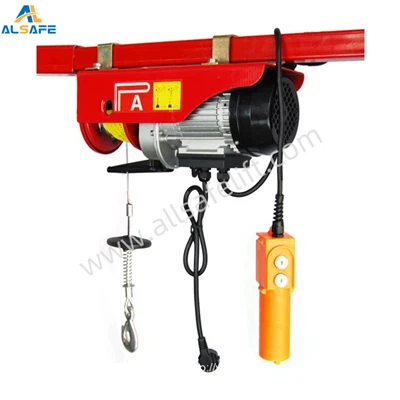
Before delving into the working principles, it's essential to understand the key components of an electric hoist. Generally, an electric hoist consists of a motor, a gearbox, a drum or chain wheel, a brake, and a control system.


The motor is the power source of the electric hoist. It converts electrical energy into mechanical energy to drive the whole system. Different types of motors can be used, and their power and performance vary according to the specific requirements of the hoist.
The gearbox plays a significant role in transmitting and adjusting the power from the motor. It can change the speed and torque of the motor output to meet the needs of lifting different loads. High - quality gearboxes are designed to ensure smooth operation and high transmission efficiency.
The drum or chain wheel is responsible for winding and unwinding the rope or chain. When it rotates, the load attached to the rope or chain is lifted or lowered.
The brake is an important safety device. It can hold the load in place when the hoist stops operating, preventing it from falling due to gravity. The brake usually works in conjunction with the motor and is released when the motor starts.
The control system allows the operator to control the movement of the hoist precisely. It includes buttons, switches, and sometimes a remote control. With the control system, the operator can start, stop, and adjust the direction and speed of the hoist.
2. Working Principles of Different Types of Electric Hoists
Electric Chain Hoist
Electric Chain Hoist is a popular type of electric hoist. The working process starts when the operator sends a command through the control system. The motor then starts to rotate. The rotational force of the motor is transmitted to the chain wheel through the gearbox.
As the chain wheel rotates, it winds or unwinds the chain. The chain is equipped with a hook at the end, where the load is attached. When the chain wheel rotates in one direction, the chain is wound up, and the load is lifted. Conversely, when the chain wheel rotates in the opposite direction, the chain is unwound, and the load is lowered.
The brake in an electric chain hoist is designed to engage automatically when the motor stops. This ensures that the load remains in place without any unintended movement. An advanced feature of some electric chain hoists is the adjustable speed control. This allows the operator to lift or lower the load at different speeds, which is very useful in different working scenarios.
Electric Wire Rope Hoist
Electric Wire Rope Hoist operates on a similar principle but with some differences. Instead of a chain, it uses a wire rope. When the operator activates the hoist through the control system, the motor starts, and its power is transferred to the drum via the gearbox.
The wire rope is wound around the drum. As the drum rotates, the wire rope is either wound onto the drum to lift the load or unwound to lower the load. The drum is designed with a specific groove pattern to ensure that the wire rope is wound evenly and without tangling.
The brake system in an electric wire rope hoist is also critical for safety. It can quickly stop the rotation of the drum when the motor stops, preventing the load from free - falling. Additionally, electric wire rope hoists often have a higher lifting capacity compared to electric chain hoists, making them suitable for heavy - duty applications.
3. Special Features of HHBB Type Electric Chain Hoist
Among our product range, the HHBB Type Electric Chain Hoist has some unique features. This type of hoist is known for its compact design and high - performance motor. The compact design allows it to be installed in limited spaces, which is very practical in some workshops or construction sites.
The high - performance motor provides sufficient power to lift heavy loads efficiently. The gearbox of the HHBB Type Electric Chain Hoist is precisely engineered to ensure smooth and stable operation. It also has a reliable brake system that can hold the load firmly even in case of a power outage.
Moreover, the HHBB Type Electric Chain Hoist is equipped with advanced safety features. For example, it has an overload protection device. This device can detect when the load exceeds the rated capacity of the hoist and automatically stop the lifting operation to prevent damage to the hoist and ensure safety.
4. Applications of Electric Hoists
Electric hoists are widely used in various industries. In manufacturing plants, they are used to lift and move heavy machinery parts during the production process. For example, in an automobile manufacturing plant, electric hoists can be used to lift engines and other large components onto the assembly line.
In warehouses, electric hoists are used for loading and unloading goods. They can quickly and efficiently move heavy pallets of goods, improving the overall efficiency of the warehouse operation.
In construction sites, electric hoists play a crucial role in lifting building materials such as steel beams, bricks, and concrete blocks to different heights. This helps in speeding up the construction process and ensuring the safety of workers.
5. Maintenance and Safety Considerations
To ensure the proper functioning and long - term reliability of an electric hoist, regular maintenance is essential. This includes checking the motor, gearbox, drum or chain wheel, brake, and control system for any signs of wear and tear. Lubrication of moving parts is also necessary to reduce friction and prevent overheating.
When it comes to safety, operators should be trained properly before using the electric hoist. They should understand the working principles, operation methods, and safety regulations. In addition, safety devices such as the brake and overload protection should be inspected regularly to ensure they are in good working condition.
6. Encouraging Contact for Procurement
If you are in need of high - quality electric hoists for your industrial operations, we are the reliable supplier you can trust. Our electric hoists, including the HHBB Type Electric Chain Hoist, Electric Wire Rope Hoist, and Electric Chain Hoist, are designed to meet the diverse needs of different industries.
We offer not only top - quality products but also professional technical support and after - sales service. Whether you have questions about the working principles, installation, or maintenance of the hoists, our team of experts is ready to assist you.
If you are interested in our electric hoists, please feel free to contact us for more detailed product information and procurement discussions. We look forward to establishing a long - term and mutually beneficial partnership with you.
References
- Crane and Hoist Handbook: This handbook provides comprehensive information about the design, operation, and maintenance of various types of cranes and hoists.
- Industrial Lifting Equipment Standards: These standards set out the safety and performance requirements for electric hoists and other lifting equipment in industrial applications.
- Manufacturer's Technical Documents: The technical documents provided by electric hoist manufacturers offer detailed information about the specific models, including their working principles and features.