Can Lifting Clamps Be Used in Wet Environments?
As a supplier of lifting clamps, I often encounter questions from customers regarding the suitability of our products in various working conditions. One of the most common queries is whether lifting clamps can be used in wet environments. In this blog post, I will delve into this topic, providing a comprehensive analysis based on scientific knowledge and practical experience.
Understanding the Challenges of Wet Environments
Wet environments present several challenges that can potentially affect the performance and safety of lifting clamps. The primary concerns include corrosion, reduced friction, and electrical conductivity (in the case of electrically powered clamps).
Corrosion is perhaps the most significant issue. When metal lifting clamps are exposed to water, oxygen, and other corrosive substances present in wet environments, they can rust and deteriorate over time. Rust not only weakens the structural integrity of the clamp but also affects its functionality. For example, rust can cause moving parts to seize up, making it difficult to operate the clamp properly.
Reduced friction is another problem. In wet conditions, the surface of the load and the contact area of the lifting clamp can become slippery. This reduces the friction between the clamp and the load, increasing the risk of the load slipping during lifting operations. This is particularly dangerous as it can lead to accidents, causing damage to property and, more importantly, endangering the lives of workers.
Electrical conductivity is a concern for electrically powered lifting clamps. Water is a good conductor of electricity, and if the electrical components of the clamp are exposed to water, it can cause short circuits, electrical shocks, and even fires.
Types of Lifting Clamps and Their Suitability for Wet Environments
Not all lifting clamps are created equal when it comes to their suitability for wet environments. Different types of lifting clamps have different designs and materials, which affect their performance in wet conditions.
Drum Lifter Hook: The Drum Lifter Hook is designed specifically for lifting drums. These hooks are typically made of high - strength steel. In wet environments, if the hook is not properly protected, it can be prone to corrosion. However, some drum lifter hooks are coated with anti - corrosion materials such as zinc or epoxy. These coatings act as a barrier between the metal and the wet environment, reducing the risk of corrosion. Additionally, the design of the hook usually provides a good grip on the drum, but in wet conditions, it is still important to ensure that the surface of the drum is clean and free from excessive moisture to maintain a secure hold.
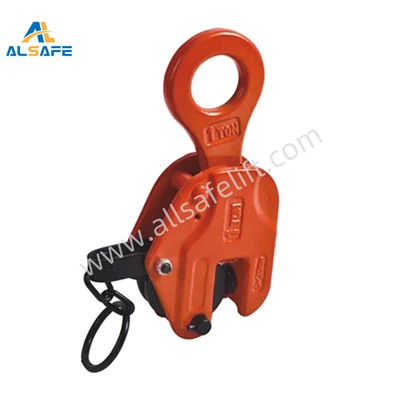
Horizontal Plate Lifting Clamp: The Horizontal Plate Lifting Clamp is used for lifting flat plates. These clamps rely on friction to hold the plate in place. In wet environments, the reduced friction can be a major issue. To address this, some horizontal plate lifting clamps are equipped with special rubber pads or serrated jaws. The rubber pads can provide additional grip even in wet conditions, while the serrated jaws can bite into the plate surface, increasing the friction. However, the rubber pads may degrade over time in wet environments, and regular inspection and replacement are necessary.
Beam Clamp: The Beam Clamp is used for lifting beams and other structural members. Beam clamps are often made of forged steel, which is relatively resistant to corrosion. However, in highly corrosive wet environments such as those with saltwater or chemicals, the clamp may still corrode. Some beam clamps are designed with a self - locking mechanism, which can help to maintain a secure hold on the beam even if the friction is reduced due to wet conditions.
Mitigating the Risks in Wet Environments
To safely use lifting clamps in wet environments, several measures can be taken to mitigate the risks associated with corrosion, reduced friction, and electrical conductivity.
Corrosion Prevention:
- Coating: As mentioned earlier, applying anti - corrosion coatings such as zinc plating, galvanizing, or epoxy coatings can significantly reduce the risk of corrosion. These coatings create a protective layer on the surface of the clamp, preventing water and oxygen from coming into contact with the metal.
- Regular Inspection and Maintenance: Regularly inspect the lifting clamps for signs of corrosion. If any corrosion is detected, it should be removed immediately, and the affected area should be recoated if necessary. Additionally, lubricate the moving parts of the clamp to prevent rust and ensure smooth operation.
Friction Enhancement:


- Cleaning the Load Surface: Before lifting, make sure the surface of the load is clean and dry as much as possible. Remove any dirt, grease, or excessive moisture from the load surface to increase the friction between the clamp and the load.
- Using Specialized Gripping Surfaces: As mentioned, some lifting clamps are equipped with rubber pads or serrated jaws to enhance grip. These features can be particularly useful in wet environments.
Electrical Safety:
- Sealing Electrical Components: For electrically powered lifting clamps, ensure that all electrical components are properly sealed to prevent water ingress. Use waterproof enclosures and gaskets to protect the electrical parts from moisture.
- Grounding: Proper grounding of the electrical system is essential to prevent electrical shocks in case of a short circuit.
Conclusion
In conclusion, lifting clamps can be used in wet environments, but it requires careful consideration and appropriate measures to ensure safety and performance. Different types of lifting clamps have different levels of suitability for wet conditions, and it is important to choose the right type of clamp for the specific application. By taking steps to prevent corrosion, enhance friction, and ensure electrical safety, the risks associated with using lifting clamps in wet environments can be effectively mitigated.
If you are in the market for high - quality lifting clamps that can perform well in wet environments, I encourage you to contact us for more information. We have a wide range of lifting clamps, including the Drum Lifter Hook, Horizontal Plate Lifting Clamp, and Beam Clamp, and our team of experts can help you select the most suitable product for your needs. We are committed to providing reliable and safe lifting solutions for all your lifting requirements.
References
- "Lifting Equipment Handbook" by Peter W. Wright
- "Corrosion and Corrosion Protection Handbook" by Pierre R. Roberge
- Industry standards and guidelines related to lifting equipment safety in wet environments.