Hey there! As a supplier of G80 lifting hooks, I often get asked this question: "Can G80 lifting hooks be used in a chemical-rich environment?" Let's dive right in and explore this topic in detail.
Understanding G80 Lifting Hooks
First things first, let me give you a quick rundown on G80 lifting hooks. These hooks are known for their high strength and reliability. They're made from alloy steel, which goes through a heat treatment process to achieve a minimum tensile strength of 800 megapascals, hence the "G80" designation. This high strength makes them ideal for a wide range of heavy-duty lifting applications, like in construction, mining, and manufacturing.
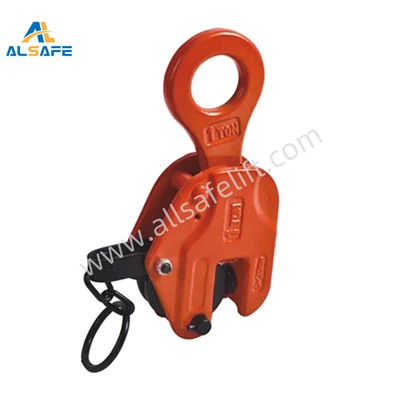
We offer a variety of G80 lifting hooks, including the Swivel Hook With Latch, G100 Lifting Hook, and Clevis Grab Hook. Each type has its own unique features and uses, but they all share the same high-quality G80 standard.


The Impact of Chemicals on G80 Lifting Hooks
Now, let's talk about the elephant in the room: chemicals. Chemical-rich environments can be a real challenge for any piece of equipment, and G80 lifting hooks are no exception. Different chemicals can have different effects on the hooks, and it all boils down to a process called corrosion.
Corrosion is basically the deterioration of a material due to a chemical reaction with its environment. When G80 lifting hooks are exposed to chemicals, the alloy steel can react with certain substances, leading to rust and other forms of corrosion. This can weaken the hooks over time, reducing their strength and potentially putting your lifting operations at risk.
Types of Chemicals and Their Effects
There are several types of chemicals that can be particularly harmful to G80 lifting hooks:
-
Acids: Strong acids, like sulfuric acid or hydrochloric acid, can quickly eat away at the surface of the hooks. They react with the iron in the alloy steel, causing it to dissolve and creating pits and holes in the metal. This not only weakens the hooks but also creates sharp edges that can damage the lifting ropes or chains.
-
Alkalis: Also known as bases, alkalis can also cause corrosion in G80 lifting hooks. Substances like sodium hydroxide can react with the metal and form a layer of hydroxide, which can flake off and expose more of the metal to further corrosion.
-
Salts: Saltwater and other salt-containing solutions are notorious for their corrosive properties. Chloride ions in salts can break down the protective oxide layer on the surface of the hooks, making them more susceptible to corrosion.
-
Oxidizing Agents: Chemicals like hydrogen peroxide or chlorine can cause oxidation of the alloy steel in the hooks. This leads to the formation of rust, which can expand and crack the metal, further weakening the hooks.
Factors Affecting Corrosion in Chemical Environments
It's not just the type of chemicals that matters; there are other factors that can affect how quickly G80 lifting hooks corrode in a chemical-rich environment:
-
Concentration: The higher the concentration of the chemicals, the more severe the corrosion is likely to be. Even a mild chemical can cause significant damage if it's present in high concentrations.
-
Exposure Time: The longer the hooks are exposed to the chemicals, the more time there is for corrosion to occur. Even brief exposure to highly reactive chemicals can cause some damage, but continuous exposure can lead to complete failure of the hooks.
-
Temperature: Higher temperatures can speed up the corrosion process. Chemical reactions generally occur more quickly at higher temperatures, so if the chemical environment is also hot, the hooks will corrode faster.
-
Humidity: Moisture in the air can act as a catalyst for corrosion. In a humid chemical environment, the water vapor can help the chemicals react with the metal more easily, increasing the rate of corrosion.
Safety Risks of Using G80 Lifting Hooks in Chemical Environments
Using G80 lifting hooks in a chemical-rich environment without taking proper precautions can pose serious safety risks. Corroded hooks are weaker and more likely to break under load. This can lead to dropped loads, which can cause damage to equipment, property, and most importantly, harm to personnel.
Imagine a scenario where a corroded G80 lifting hook fails during a lifting operation in a chemical plant. The load could fall onto sensitive equipment, causing a spill of hazardous chemicals or even an explosion. Or, if the load hits a worker, it could result in serious injury or death. That's why it's crucial to assess the risks and take appropriate measures to protect your workers and equipment.
Solutions for Using G80 Lifting Hooks in Chemical Environments
So, does this mean you can never use G80 lifting hooks in a chemical-rich environment? Not necessarily. There are several solutions that can help mitigate the effects of corrosion and make it safe to use these hooks:
-
Coating and Plating: One of the most common solutions is to apply a protective coating or plating to the hooks. This creates a barrier between the metal and the chemicals, preventing direct contact and reducing the risk of corrosion. Some common coatings include epoxy, zinc, and chrome plating.
-
Corrosion-Resistant Alloys: In some cases, it may be possible to use G80 lifting hooks made from corrosion-resistant alloys. These alloys are specifically designed to withstand the effects of chemicals and have a much higher resistance to corrosion than standard alloy steel.
-
Regular Inspections and Maintenance: No matter what measures you take, it's important to regularly inspect and maintain your G80 lifting hooks. This includes checking for signs of corrosion, such as rust, pitting, or cracking, and replacing any hooks that show significant damage. You should also clean the hooks regularly to remove any chemical residues.
-
Proper Storage: When the hooks are not in use, they should be stored in a dry, clean environment away from chemicals. This helps prevent corrosion from occurring during periods of non-use.
Making the Right Decision
When deciding whether to use G80 lifting hooks in a chemical-rich environment, you need to consider several factors. First, assess the type and concentration of the chemicals present, as well as the temperature and humidity of the environment. Then, evaluate the level of risk associated with using the hooks. If the risk is too high, it may be necessary to look for alternative lifting solutions.
On the other hand, if the risk can be managed through proper coating, maintenance, and inspection, using G80 lifting hooks can still be a viable option. Just make sure to follow all safety guidelines and regulations to ensure the safety of your workers and the success of your lifting operations.
Conclusion and Call to Action
In conclusion, while G80 lifting hooks are strong and reliable, they can be vulnerable to corrosion in a chemical-rich environment. However, with the right precautions and maintenance, it's possible to use them safely in these conditions.
If you're in the market for high-quality G80 lifting hooks or have questions about using them in a chemical environment, don't hesitate to reach out. We're here to help you make the best decision for your specific needs. Whether you need a Swivel Hook With Latch, G100 Lifting Hook, or Clevis Grab Hook, we've got you covered. Let's start a conversation and find the perfect solution for your lifting requirements.
References
- ASME B30.10 - Hooks, American Society of Mechanical Engineers
- ASTM A153/A153M - Standard Specification for Zinc Coating (Hot-Dip) on Iron and Steel Hardware
- OSHA Regulations on Lifting Equipment Safety