As a supplier of G80 lifting hooks, I often encounter questions from customers about the suitability of our products for various applications. One common query is whether G80 lifting hooks can be used for lifting concrete blocks. In this blog post, I'll explore this topic in detail, considering the characteristics of G80 lifting hooks, the nature of concrete blocks, and the safety factors involved.
Understanding G80 Lifting Hooks
G80 lifting hooks are a type of high - strength lifting equipment. The "G80" designation indicates that these hooks are made of alloy steel and have a minimum breaking strength of 800 megapascals (MPa). This high strength is achieved through a combination of proper material selection and advanced manufacturing processes, such as heat treatment.
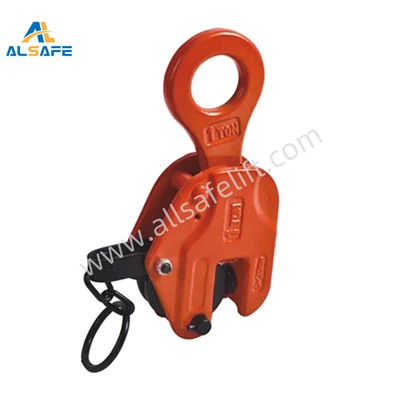
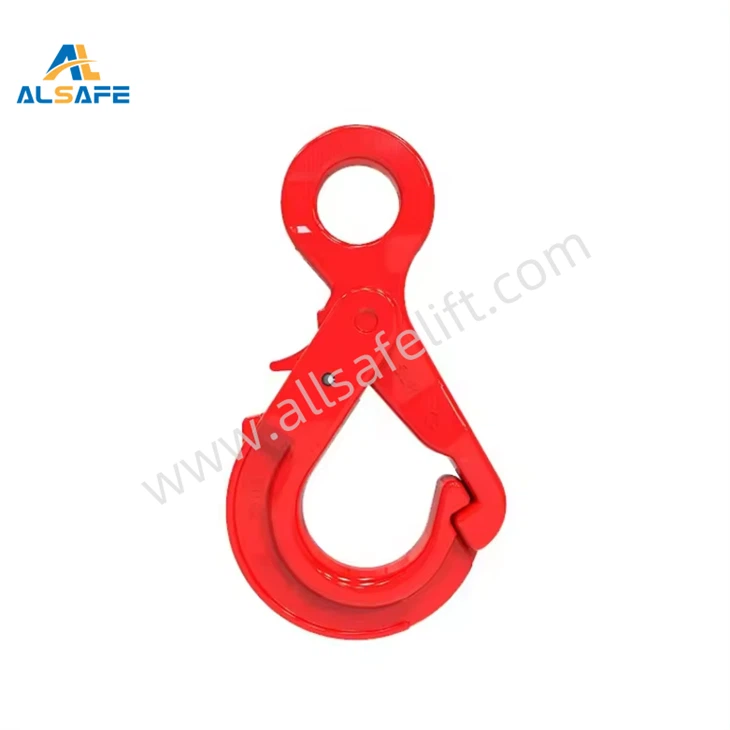
The hooks come in various designs to meet different lifting requirements. For example, the Clevis Shortening Grab Hook is designed with a clevis end, which allows for easy attachment and adjustment in rigging systems. The Eye Self - locking Hook features a self - locking mechanism, which enhances safety by preventing the load from accidentally disengaging. And the Eye Sling Hook is commonly used for attaching slings to the load.
Characteristics of Concrete Blocks
Concrete blocks are widely used in construction due to their durability and strength. However, they also have some unique characteristics that need to be considered when it comes to lifting.
Firstly, concrete blocks are heavy. The weight of a single concrete block can vary depending on its size and density, but they can typically range from a few kilograms to several hundred kilograms. This means that the lifting equipment used must be able to handle the significant load.
Secondly, concrete blocks have a rough surface. This can cause abrasion to the lifting hooks over time, especially if the blocks are not properly rigged. Additionally, the shape of concrete blocks can be irregular, which may require special rigging techniques to ensure a stable lift.

Can G80 Lifting Hooks Be Used for Lifting Concrete Blocks?
The answer is yes, G80 lifting hooks can be used for lifting concrete blocks, but several conditions must be met.
Strength and Capacity
The most important factor is the strength and capacity of the G80 lifting hooks. As mentioned earlier, G80 hooks have a high minimum breaking strength, which makes them suitable for lifting heavy loads such as concrete blocks. However, it is crucial to select the right size and type of hook based on the weight of the concrete blocks. For example, if you are lifting large, heavy concrete blocks, you may need a larger - sized hook with a higher working load limit (WLL). The WLL is the maximum load that a hook can safely lift under normal working conditions, and it is usually a fraction of the minimum breaking strength.
Rigging and Attachment
Proper rigging is essential when using G80 lifting hooks to lift concrete blocks. The hooks should be attached to the blocks in a way that distributes the load evenly and prevents the blocks from shifting or falling during the lift. For irregularly shaped concrete blocks, it may be necessary to use additional rigging accessories, such as slings or chains, to ensure a secure attachment.
When attaching the hooks, make sure that they are properly seated and engaged. For self - locking hooks, ensure that the locking mechanism is functioning correctly. This will help prevent the load from accidentally disengaging, which could lead to a serious accident.
Safety Considerations
Safety should always be the top priority when using any lifting equipment. When using G80 lifting hooks to lift concrete blocks, the following safety measures should be taken:
- Inspection: Regularly inspect the G80 lifting hooks for any signs of damage, such as cracks, wear, or deformation. Any damaged hooks should be immediately removed from service and replaced.
- Training: Ensure that all personnel involved in the lifting operation are properly trained in the use of G80 lifting hooks and the rigging techniques required for lifting concrete blocks.
- Environmental Factors: Consider the environmental conditions during the lift. For example, if the lifting is taking place in a windy or wet environment, additional precautions may be needed to ensure the stability of the load.
Advantages of Using G80 Lifting Hooks for Lifting Concrete Blocks
There are several advantages to using G80 lifting hooks for lifting concrete blocks:
- High Strength: The high strength of G80 hooks allows for the safe lifting of heavy concrete blocks, reducing the risk of hook failure.
- Durability: G80 hooks are made of alloy steel, which makes them resistant to corrosion and abrasion. This means that they can withstand the rough handling and harsh conditions often associated with lifting concrete blocks.
- Versatility: With a variety of hook designs available, G80 lifting hooks can be used in different rigging configurations to accommodate the shape and size of concrete blocks.
Conclusion
In conclusion, G80 lifting hooks can be a reliable and safe choice for lifting concrete blocks, provided that the appropriate size and type of hook are selected, proper rigging techniques are used, and all safety measures are followed. As a supplier of G80 lifting hooks, I am committed to providing high - quality products and technical support to ensure that our customers can use our hooks safely and effectively in their concrete block lifting operations.
If you are interested in purchasing G80 lifting hooks for your concrete block lifting needs, or if you have any questions about our products, please feel free to contact us. We look forward to discussing your requirements and providing you with the best solutions.
References
- "Lifting Equipment - Safety Standards and Guidelines", International Organization for Standardization (ISO)
- "Rigging Handbook", Crosby Group
- "Concrete Construction Manual", American Concrete Institute (ACI)