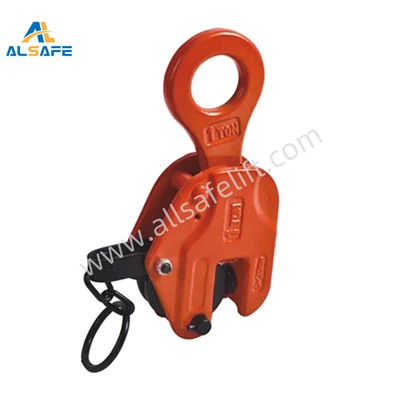
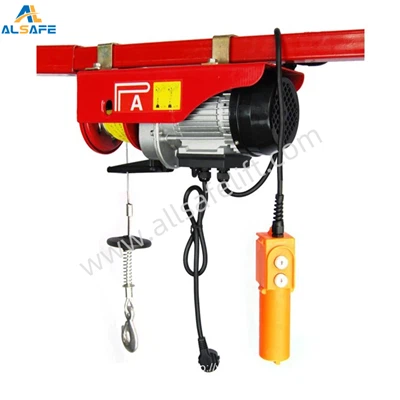
When it comes to the use of lever hoists, many people focus on their lifting capabilities, durability, and ease of operation. However, as an environmentally - conscious supplier of lever hoists, I believe it's crucial to discuss the environmental considerations associated with these useful tools.
1. Material Sourcing and Production
The first aspect of environmental impact starts right at the source: material sourcing. Lever hoists are typically made from metals such as steel and iron. Mining these metals has a significant environmental footprint. For instance, iron ore mining often involves large - scale excavation, which can lead to deforestation, soil erosion, and habitat destruction. Additionally, the energy - intensive processes used to extract and refine these metals contribute to greenhouse gas emissions.
At our company, we are committed to sourcing materials from suppliers who adhere to strict environmental standards. We look for suppliers that practice sustainable mining methods, such as reforestation after mining operations and minimizing water pollution. By choosing responsible suppliers, we can reduce the overall environmental impact of our VA Ratchet Lever Block and other products during the production phase.
In the production process, energy consumption is another major concern. Manufacturing lever hoists requires various processes like forging, machining, and assembly. These processes consume a large amount of electricity and fuel. To address this, we have invested in energy - efficient machinery and technologies in our production facilities. For example, we use advanced forging equipment that consumes less energy while still maintaining high - quality production standards. This not only reduces our carbon footprint but also helps us cut down on production costs in the long run.
2. Packaging and Transportation
Once the lever hoists are manufactured, the next step is packaging and transportation. Packaging materials play an important role in protecting the products during transit, but they can also generate a significant amount of waste. Traditional packaging materials like Styrofoam and excessive cardboard can end up in landfills, taking a long time to decompose.
We have switched to more sustainable packaging solutions for our Mini Lever Hoist and other products. We use recyclable cardboard boxes and biodegradable cushioning materials. These materials can be easily recycled or composted after use, reducing the environmental impact of our packaging.
Transportation is another area where we can make a difference. Shipping lever hoists from our production facilities to customers around the world requires a significant amount of fuel. To minimize this, we optimize our shipping routes and consolidate orders whenever possible. We also work with shipping partners who are committed to reducing their carbon emissions, such as those using more fuel - efficient vehicles or exploring alternative energy sources for transportation.
3. Product Use and Maintenance
During the use of lever hoists, there are also environmental considerations. One of the main issues is the lubrication of the hoist components. Many traditional lubricants are petroleum - based, which are non - renewable resources and can be harmful to the environment if they leak or are disposed of improperly.


We recommend using environmentally friendly lubricants for our Ratchet Lever Hoist and other products. These lubricants are often made from renewable resources such as vegetable oils and have a lower environmental impact. They are biodegradable and less likely to cause pollution if they come into contact with the soil or water.
Proper maintenance of lever hoists is also essential for reducing environmental impact. A well - maintained hoist will operate more efficiently, consuming less energy during use. Regular inspections can help detect and fix any leaks or malfunctions early, preventing the release of lubricants or other contaminants into the environment. We provide detailed maintenance guides to our customers to ensure that they can keep their lever hoists in good working condition while also being environmentally responsible.
4. End - of - Life Disposal
When a lever hoist reaches the end of its useful life, proper disposal is crucial to minimize environmental harm. Many components of lever hoists, such as metals, can be recycled. Recycling these materials reduces the need for new mining and manufacturing, saving energy and resources.
We encourage our customers to return their old lever hoists to us for proper recycling. Our recycling program ensures that the metals are separated and sent to recycling facilities, where they can be transformed into new products. By taking responsibility for the end - of - life disposal of our products, we can close the loop on the product life cycle and reduce the overall environmental impact.
5. Environmental Certifications and Standards
As an environmentally - conscious supplier, we strive to meet and exceed various environmental certifications and standards. These certifications not only demonstrate our commitment to environmental protection but also give our customers confidence in our products.
For example, we comply with ISO 14001, which is an international standard for environmental management systems. This standard helps us manage our environmental impact more effectively by setting up processes for environmental planning, monitoring, and improvement. We also seek other relevant certifications depending on the markets we serve, such as regional environmental regulations and sustainability labels.
Conclusion
In conclusion, there are indeed many environmental considerations when using a lever hoist. From material sourcing and production to packaging, transportation, use, maintenance, and end - of - life disposal, every stage of the product life cycle has an impact on the environment. As a leading supplier of lever hoists, we are committed to minimizing these impacts through sustainable practices and continuous improvement.
If you are interested in our environmentally friendly lever hoists or have any questions about our products, we invite you to contact us for a procurement discussion. We are always ready to provide you with high - quality products and solutions that meet both your lifting needs and environmental requirements.
References
- ISO 14001:2015 Environmental management systems — Requirements with guidance for use.
- Environmental Protection Agency (EPA) reports on sustainable manufacturing and recycling.
- Industry research on the environmental impact of metal mining and production.